Five days, three of them on a bike, one river the whole way. The route runs from Gwangju down the Yeongsan to the point where it stops being a river, then crosses the water it becomes to reach an island. Nobody rides with you.
The river does the navigating
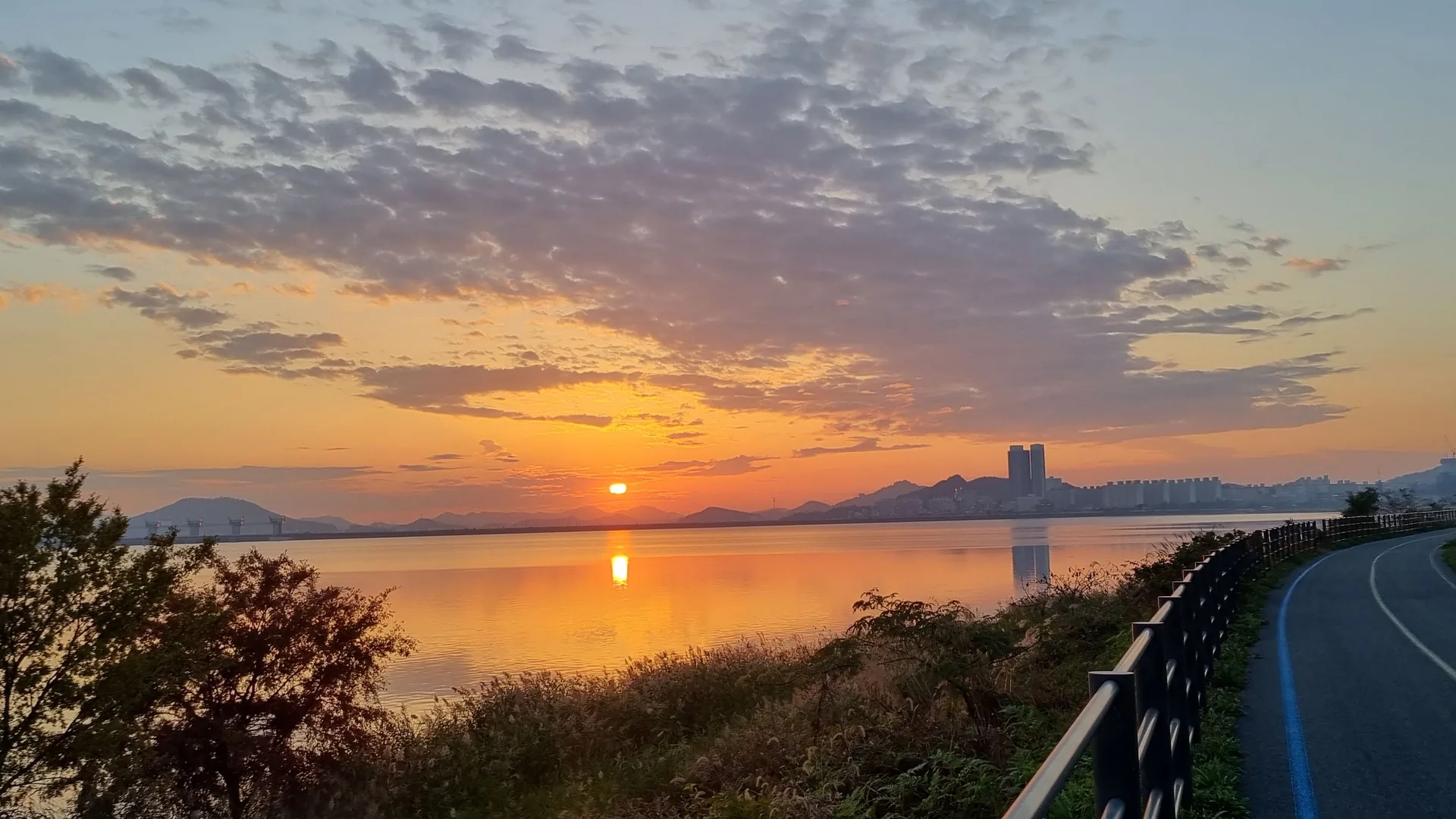
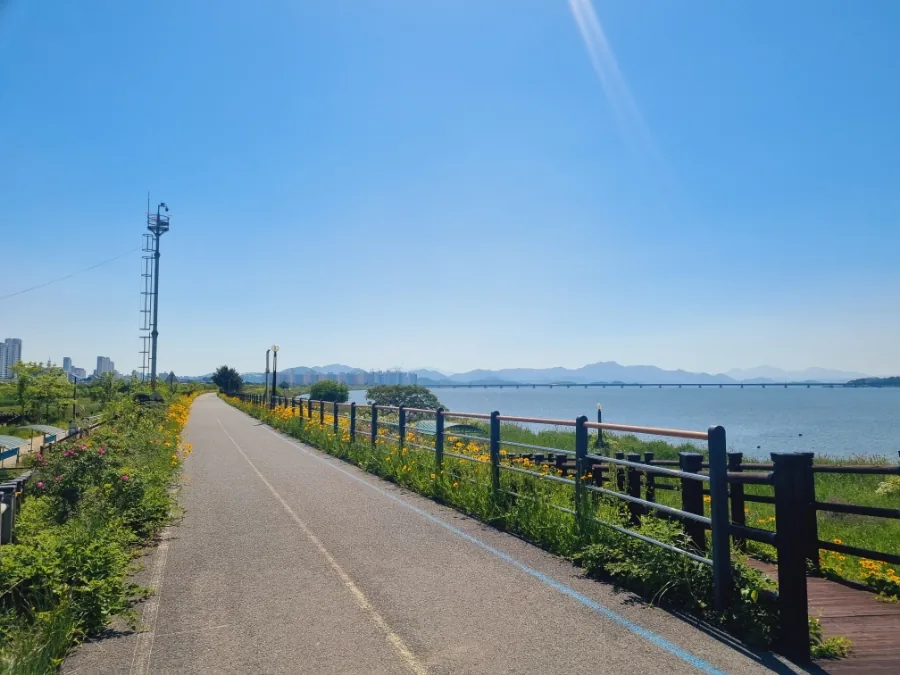
The objection to self-guided cycling is always the same — what if we take a wrong turn. On this route there is nothing to take. The Yeongsan River bike path runs from Gwangju to the estuary with the water on one side the whole way, and there is a certification stamp at Seungchonbo halfway down if you want proof you are where you think you are. Route maps and GPX come with the booking. You are unaccompanied, not unassisted.
A city that remembers, before you ride
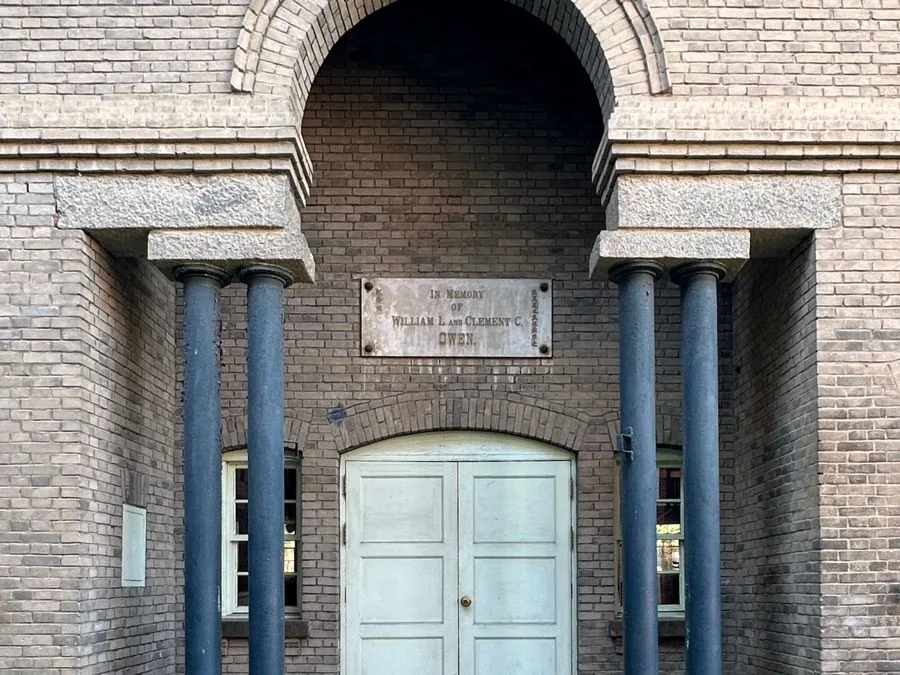
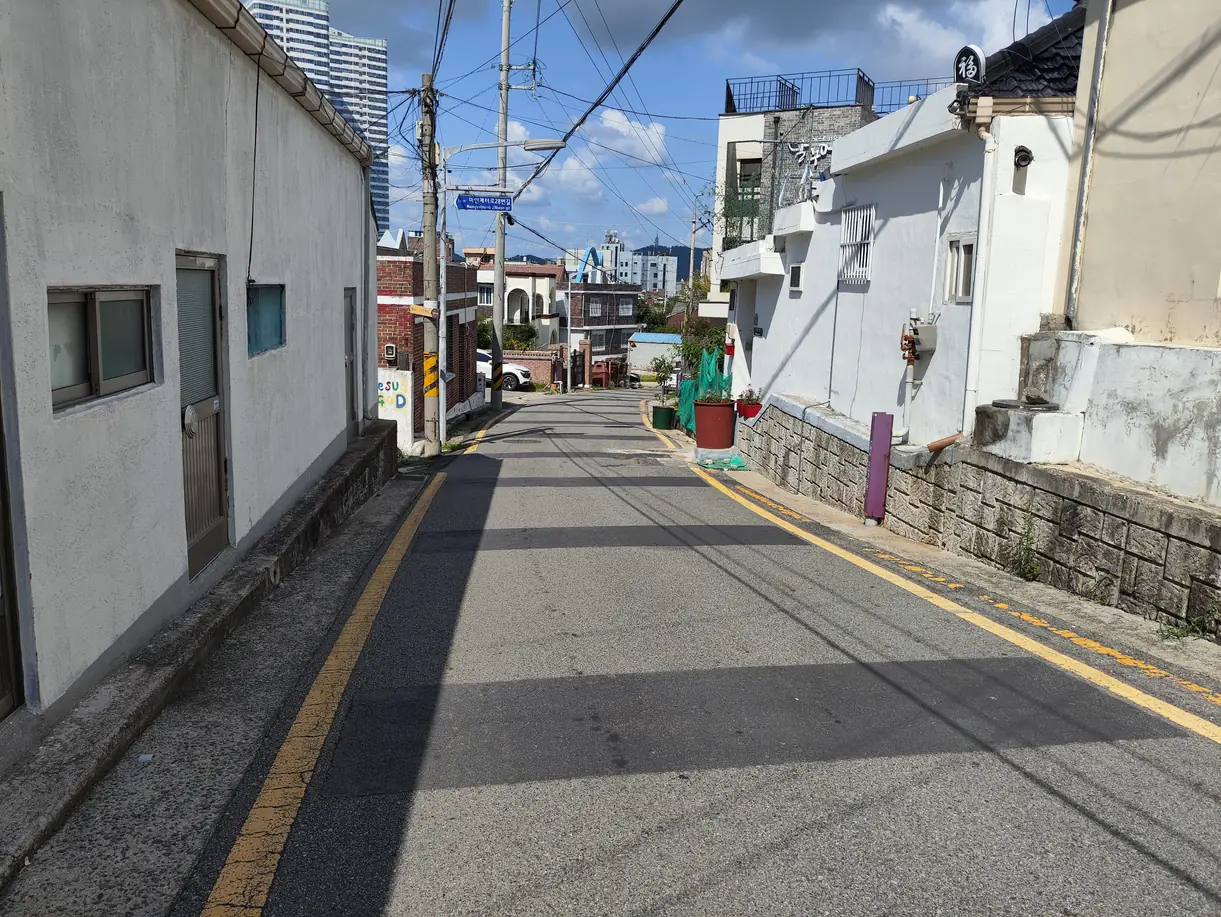
The first day is on foot. Yangnim-dong in Gwangju grew around an American Presbyterian mission station founded in the early 1900s, and the quarter still holds the missionaries' cemetery, their houses and Owen Memorial Hall, put up in 1914. Korean hanok stand on the same streets. Penguin Village, an open-air folk art installation the residents made themselves, is a few minutes away. Nothing here needs a bicycle.
Twenty-five kilometres to find the rhythm
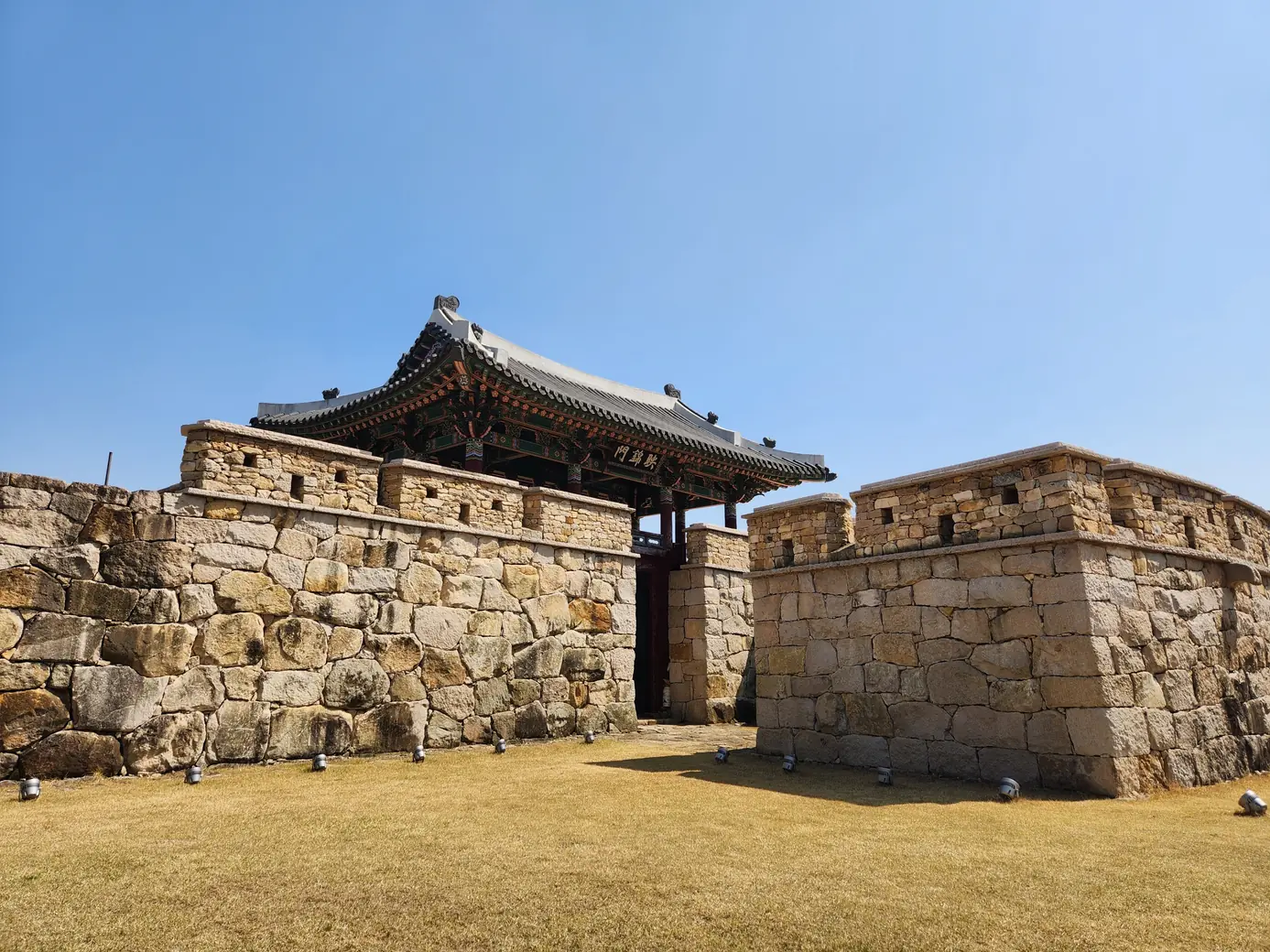
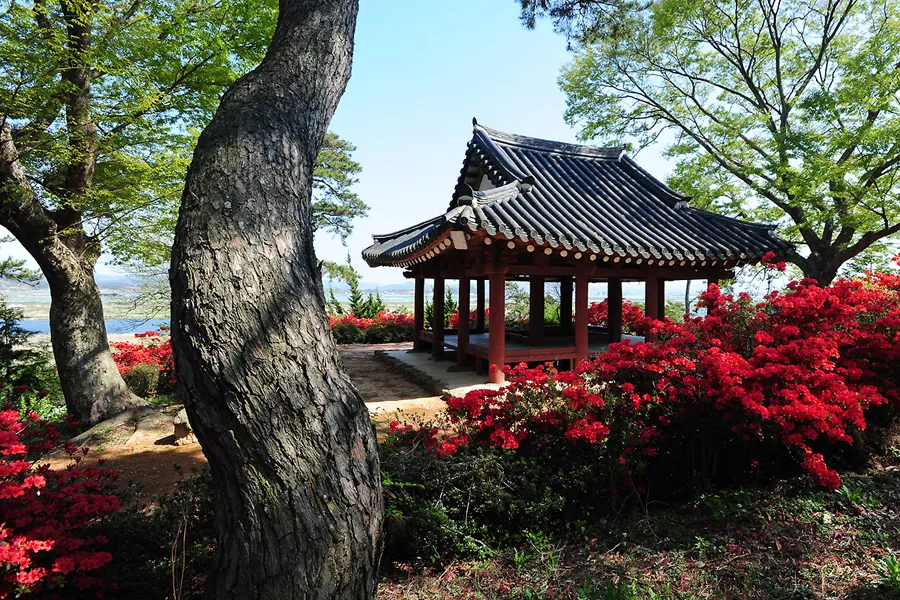
Day two is short on purpose. Twenty-five flat kilometres to Naju, past Hogaejeong pavilion above the water, and then the Joseon-era walled town at the end of it. It is the day you work out what the bike feels like and how the luggage service works, before the long one.
The long day, and the moment the river ends
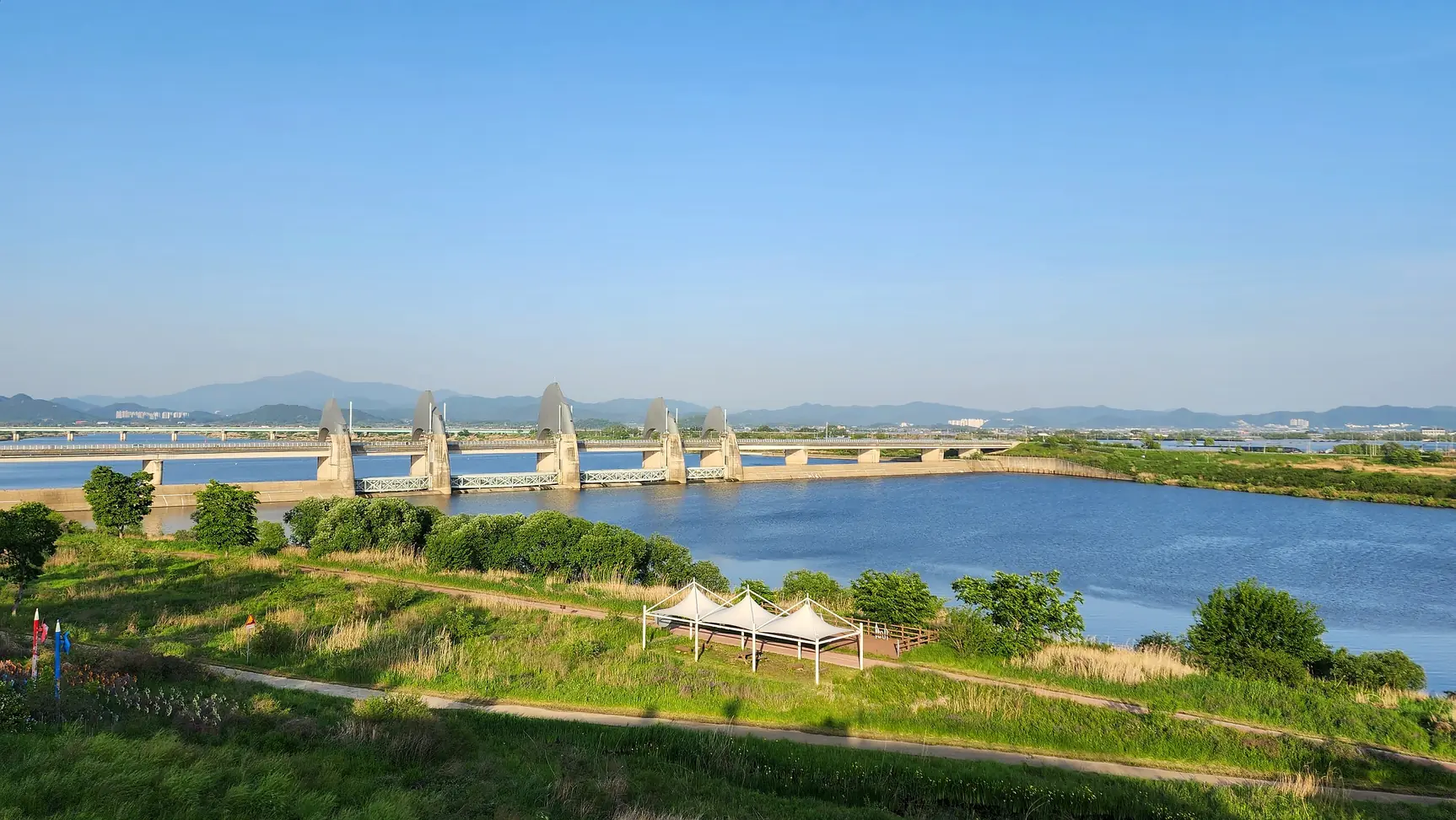
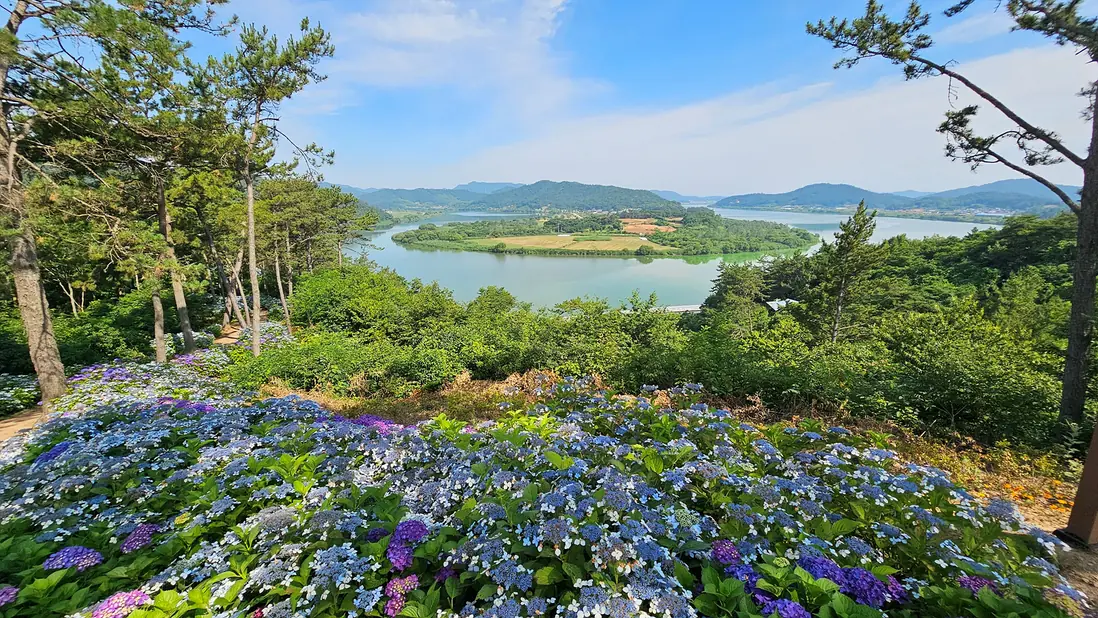
Seventy kilometres, and the only day that asks for distance. The path passes Neureoji Observatory over the valley and the white lotus pond at Muan, and then arrives at the Yeongsan estuary dam. This is the point the trip is built around. The river you have followed for two days stops being a river. On the far side of the dam it is the sea, and tomorrow you cross it. Mokpo's colonial quarter is waiting at the end, and so is a hanok.
Across the water, and the twelve bends
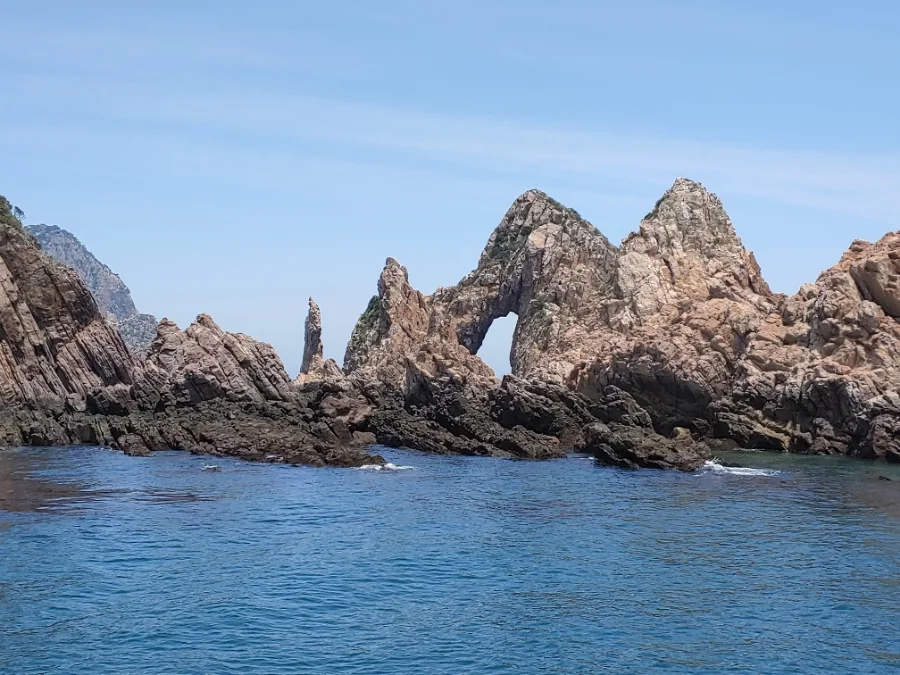
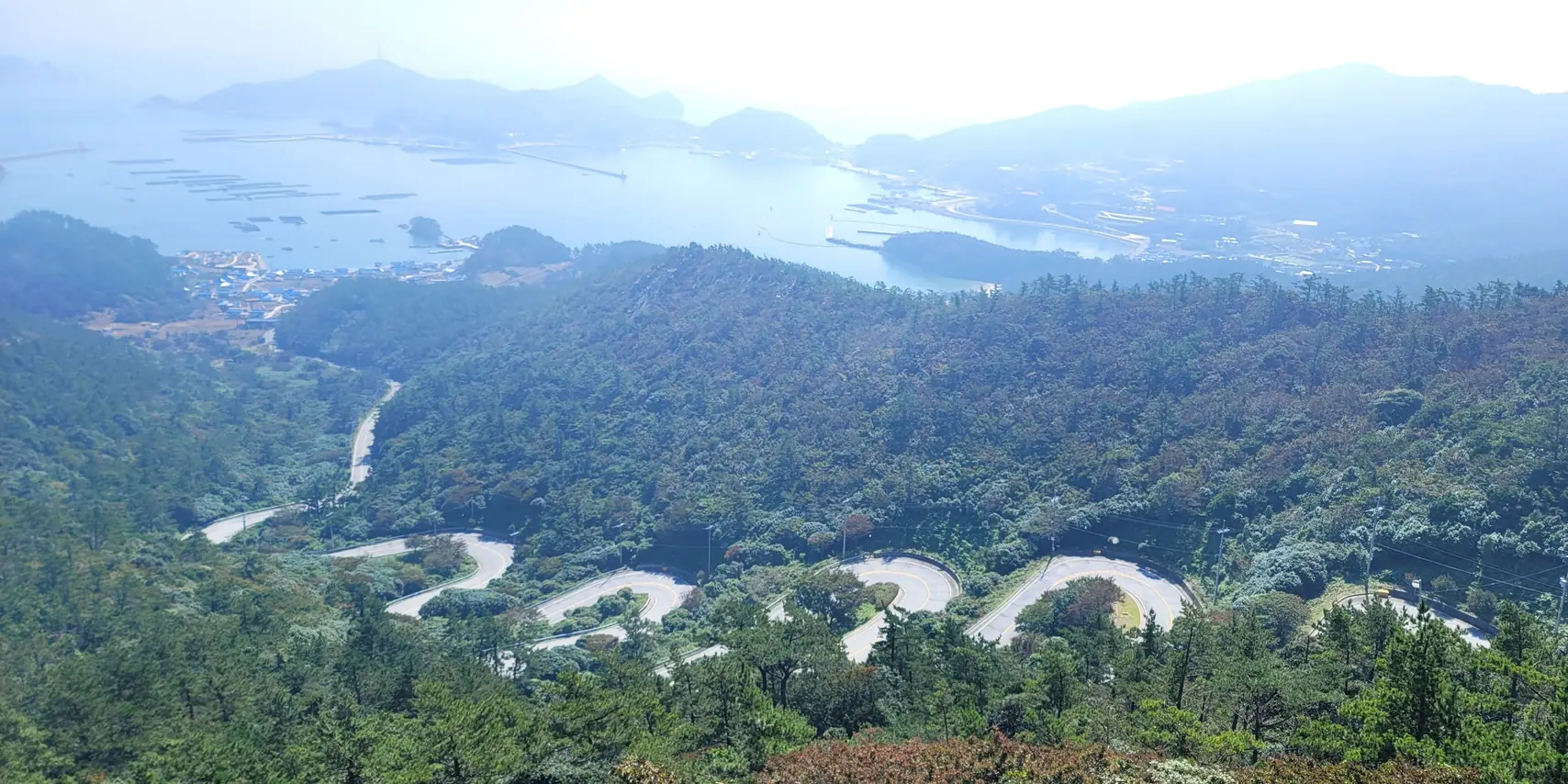
The ferry leaves Mokpo at ten to eight with the bikes loaded on board and reaches Heuksando two hours later. The island circuit is twenty-five kilometres, and it is nothing like the two days before it — a twelve-bend switchback road climbing away from the harbour, cliffs above the sea, the viewpoint at Sangnabong, the sea stack at Chotdae Rock. Most riders stop at one of the family seafood places by the harbour before the afternoon ferry back.
Nothing on your back
On every riding day the bags go to the next hotel while you ride. Hybrid bikes and helmets are included, and the twelve-bend climb is the only place the gearing matters. If the seventy-kilometre day looks long for a particular client, a support van can take part of it — better to arrange that at quoting than on the road.