Seoul is a city of ten million people who are mostly not sightseeing. They are queuing for a bathhouse locker at nine in the morning, carrying a tray through a market at one, sitting on the grass by the river at eight. This programme puts five days inside that rhythm, in one neighbourhood, on foot.
The hours we leave empty
Three blocks of this trip are left open — two afternoons and one evening. Not as a gap in the plan; it is the plan. Around four o'clock the light drops behind the hills west of the city and the street changes shift: shutters go up on the evening shops, someone starts frying something in the doorway, the old men move their chairs out onto the pavement. You will be standing in the middle of it with nowhere to be. By the third day you will have a bakery you prefer and a shortcut you found on your own.
Day one is not sightseeing
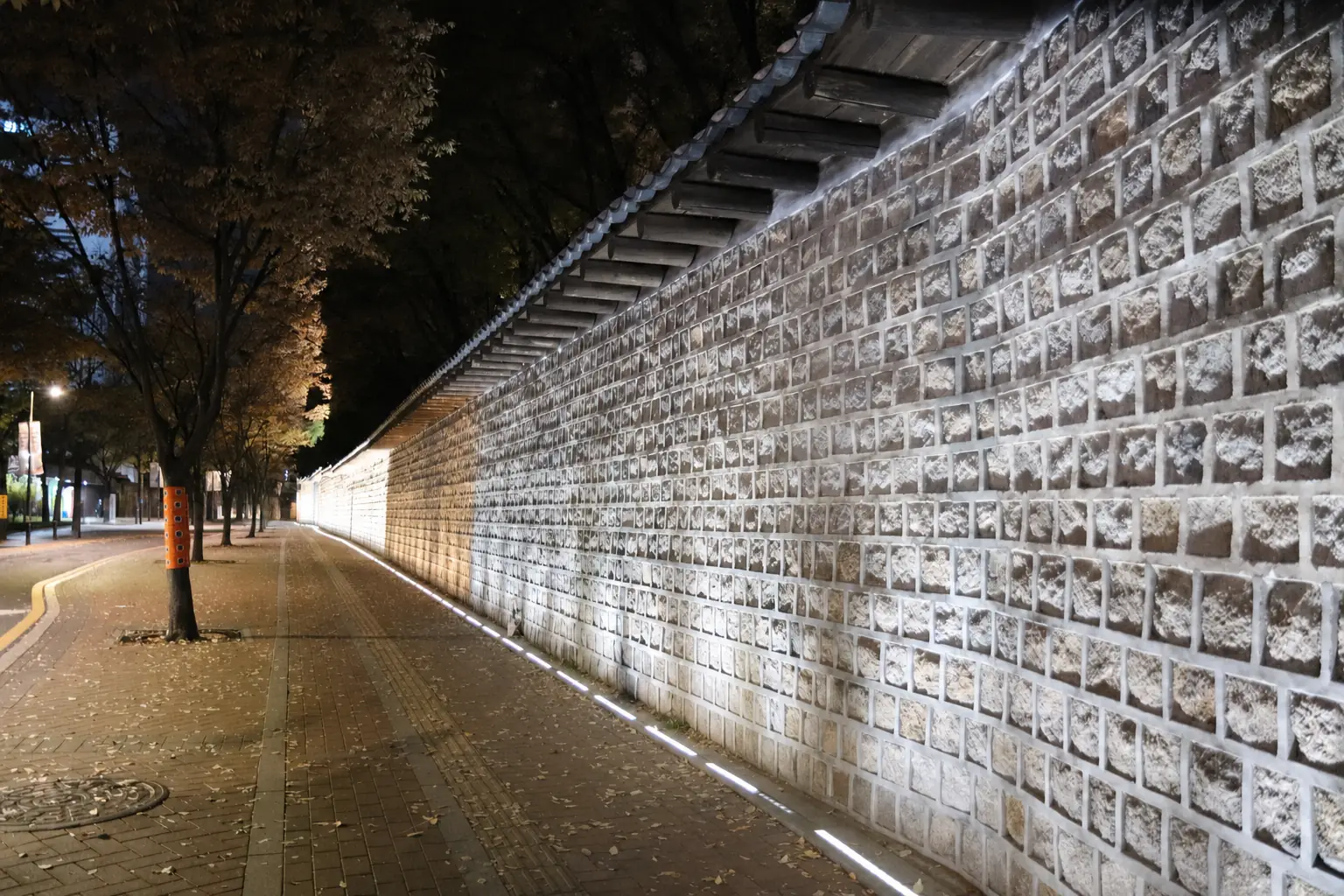
You land tired. Nothing is asked of you. You meet your guide, you are handed a transport card that already works and a map with your own streets marked on it by hand — the pharmacy, the late shop, the quiet way back. Then you walk. In the evening the western wall of Gyeongbokgung is lit and almost empty, and you pass beside it on the way to dinner. Four hours after landing you already have a piece of the city that most visitors never get.
Two palaces, then straight back to the neighbourhood
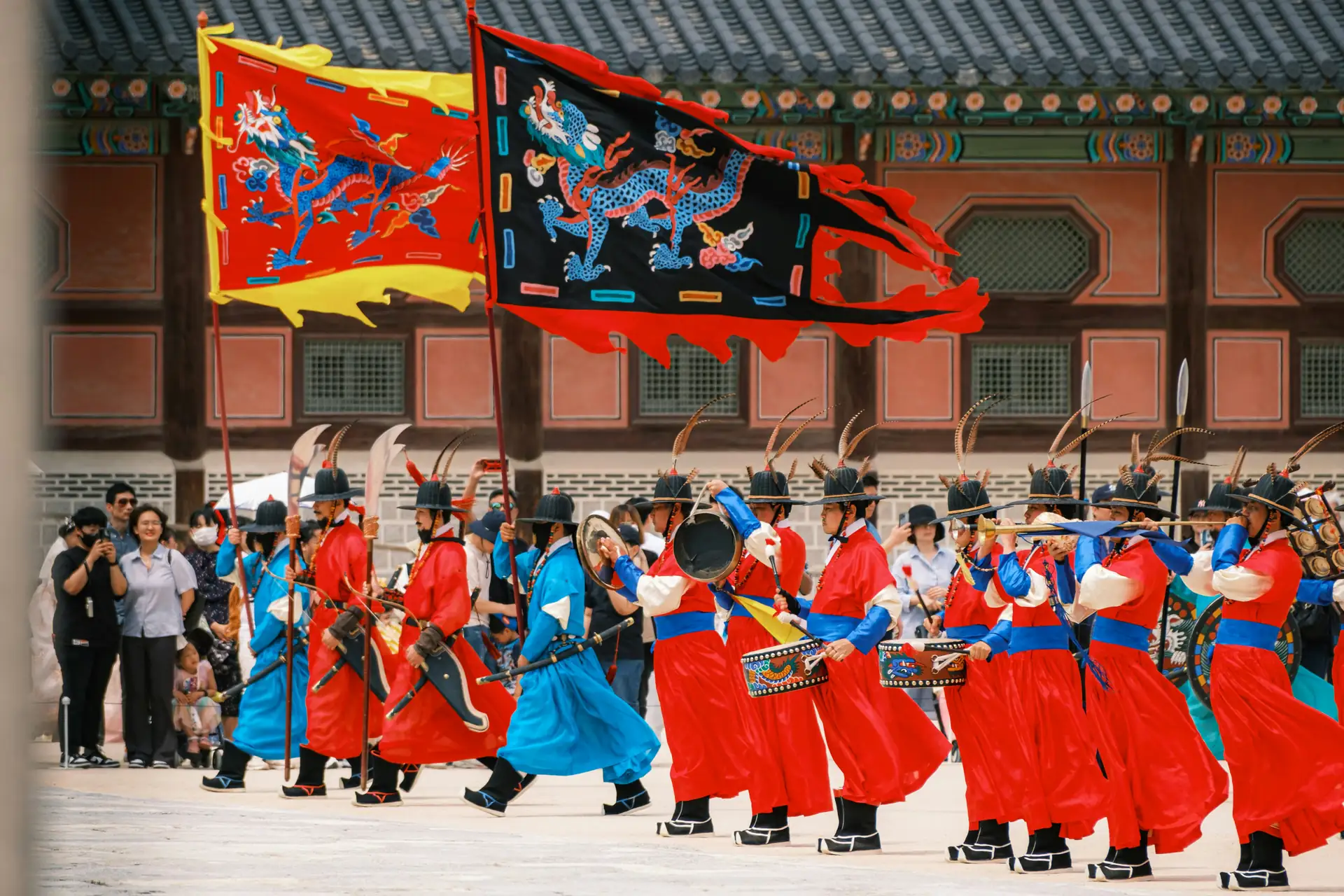
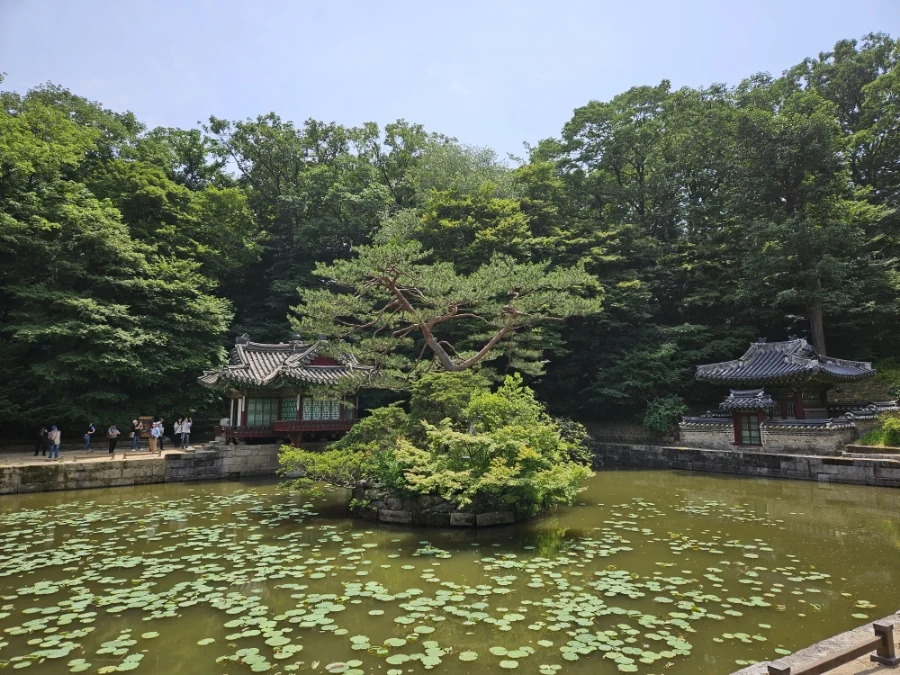
We keep one palace morning, because the argument is worth hearing. Gyeongbokgung is power built to be seen. Changdeokgung is its opposite: a rear garden laid out without levelling the hills, pavilions set where the ground allowed, entry by timed ticket in small numbers. Visitors who know Versailles feel it immediately — one landscape conquered, the other agreed with. Then we walk out into Seochon and buy lunch at the market, and the day returns to ground level.
Lunch you assemble yourself
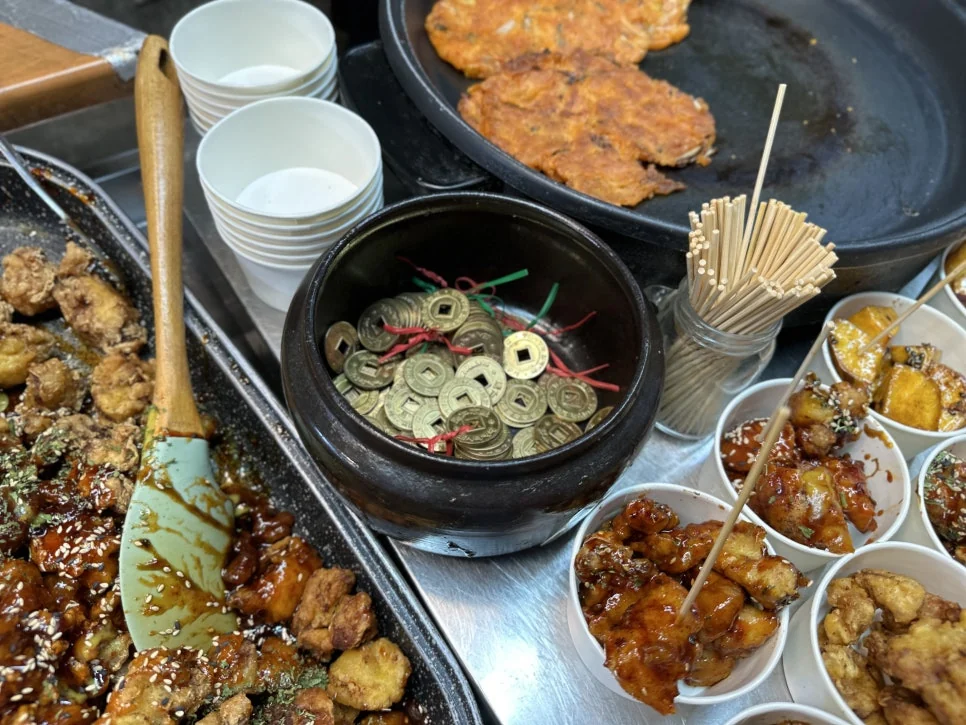
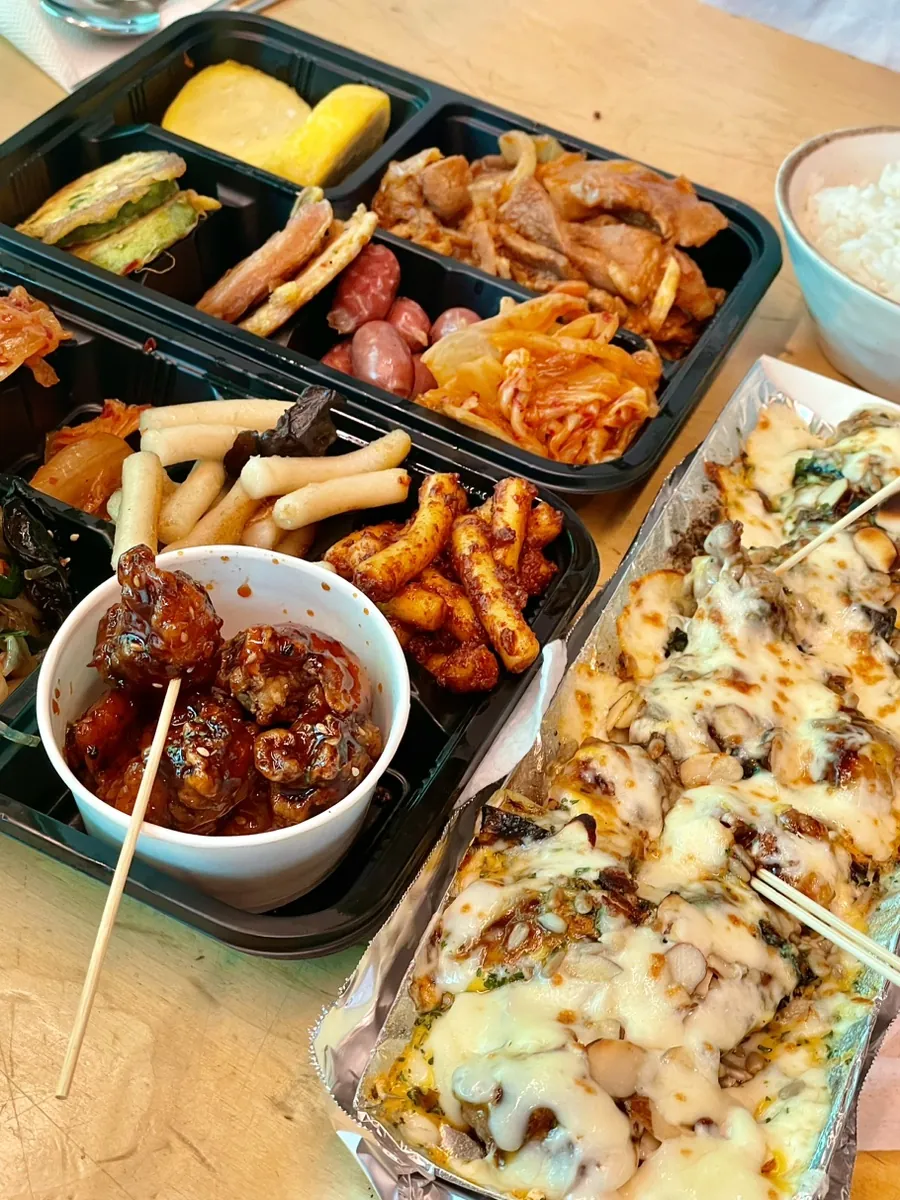
At Tongin Market you swap cash for brass tokens and walk the aisles filling a tray from whichever stalls you like. It is a small mechanism and it changes your standing completely: you are no longer being served the country, you are choosing it, dish by dish, in a market that was feeding this neighbourhood long before anyone came here to look at it.
The bathhouse, and the long afternoon after it
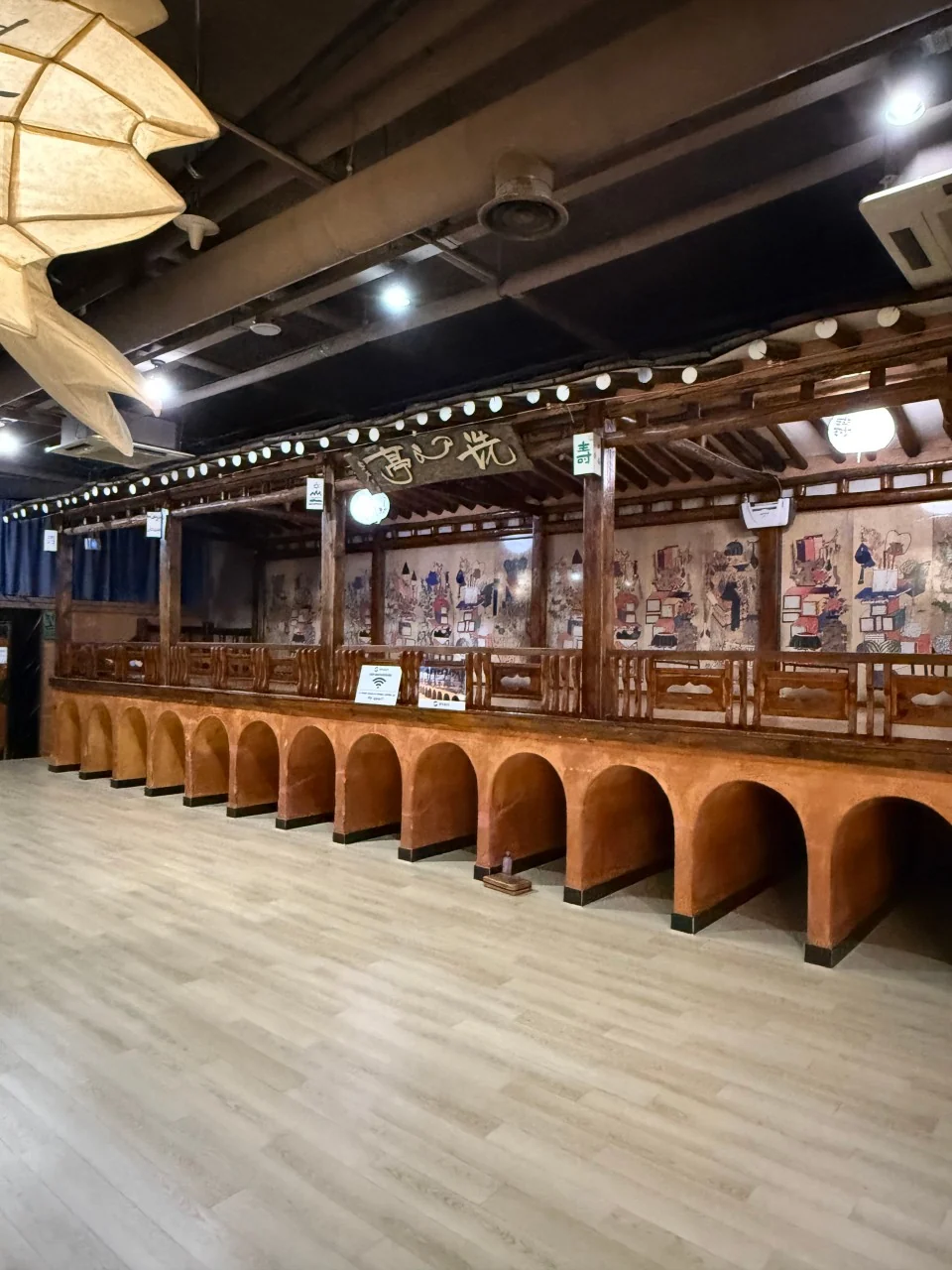
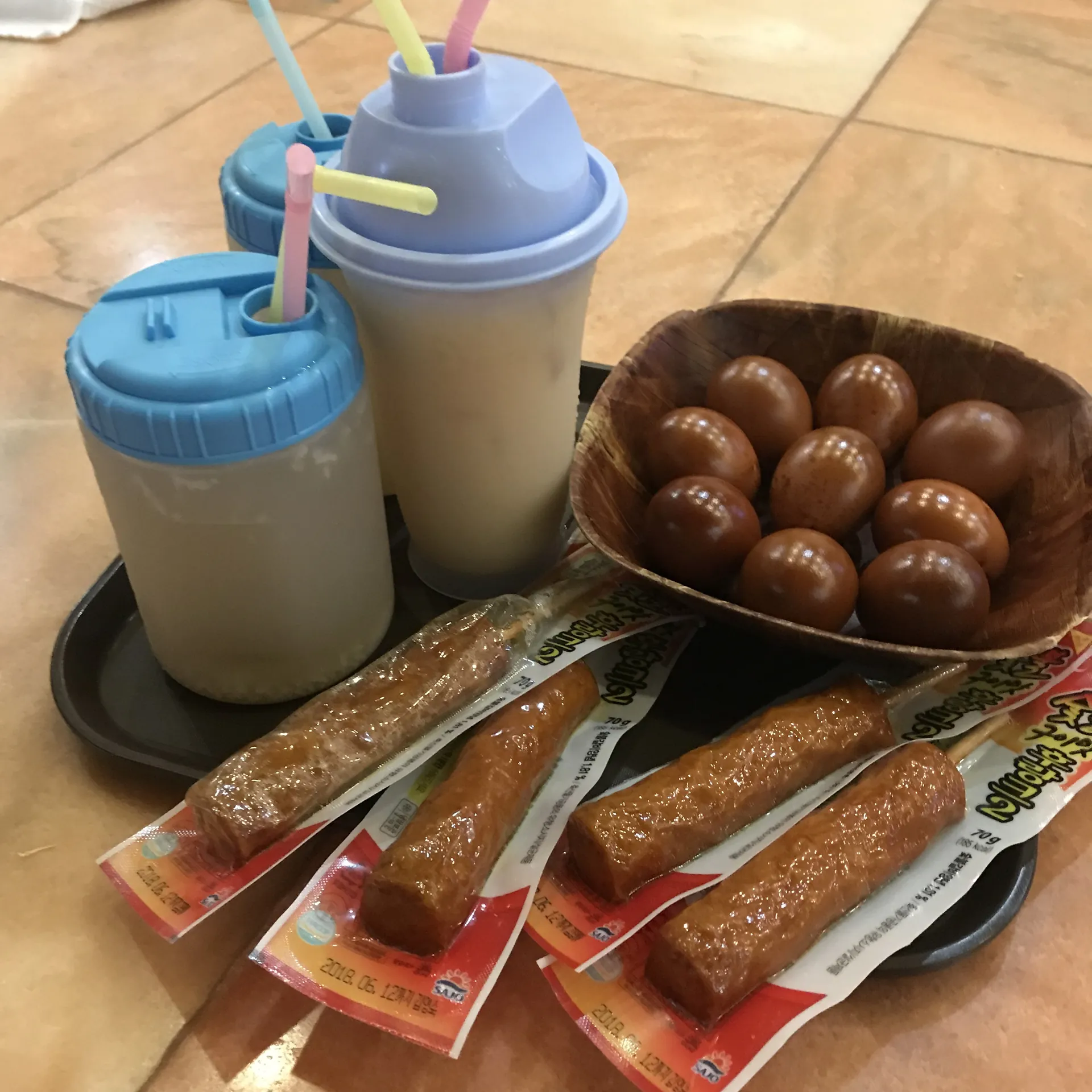
The third morning is the one guests describe first when they get home. A neighbourhood bathhouse: hot pools, a cold plunge, an unhurried scrub. German and Swiss guests recognise half of it and are undone by the other half — the shared floors afterwards, the shorts and cotton shirt everyone wears, the boiled eggs, the grandmothers asleep on mats at eleven in the morning. Then the afternoon is yours, which by then you will want.
Dinner arrives at the river
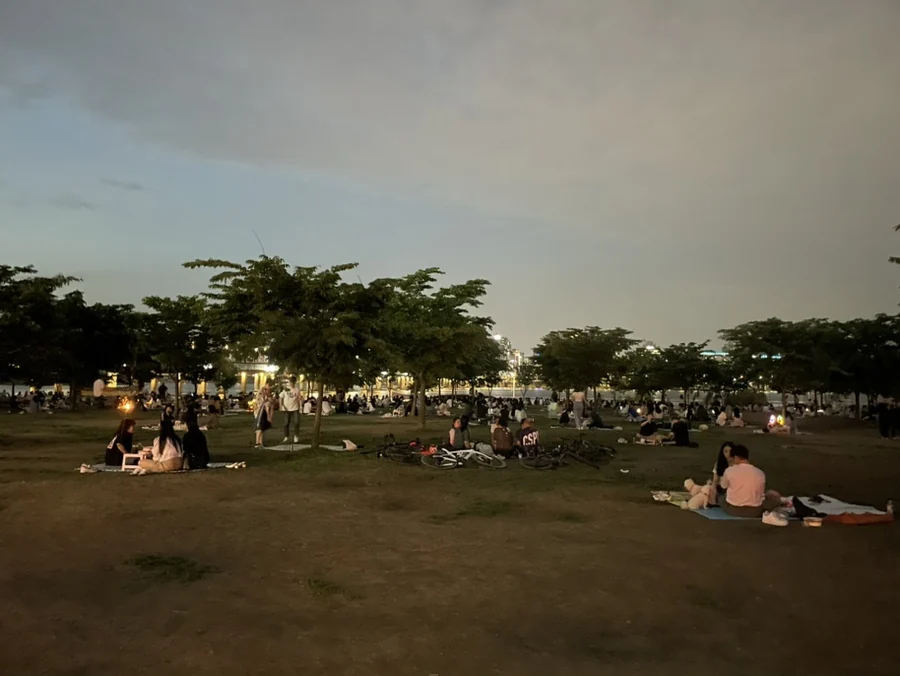
In the evening you sit on the grass at the Han River, and food is ordered to a patch of park by phone and carried to you there. Around you: couples on mats, office workers still in their shirts, children on bicycles until far too late. Nothing about it is staged for visitors. It is simply what this city does with a warm evening, and you are in the middle of it rather than photographing it from a bridge.
The wall you walk, and the last envelope
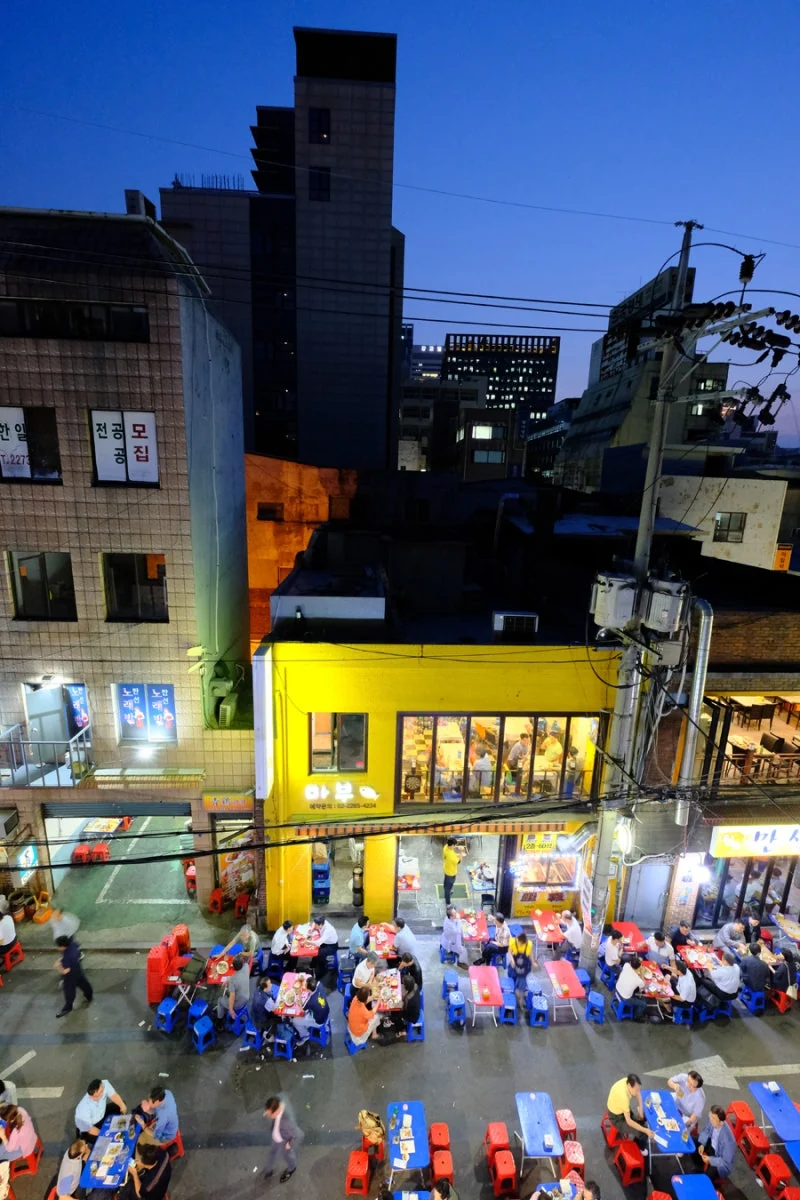
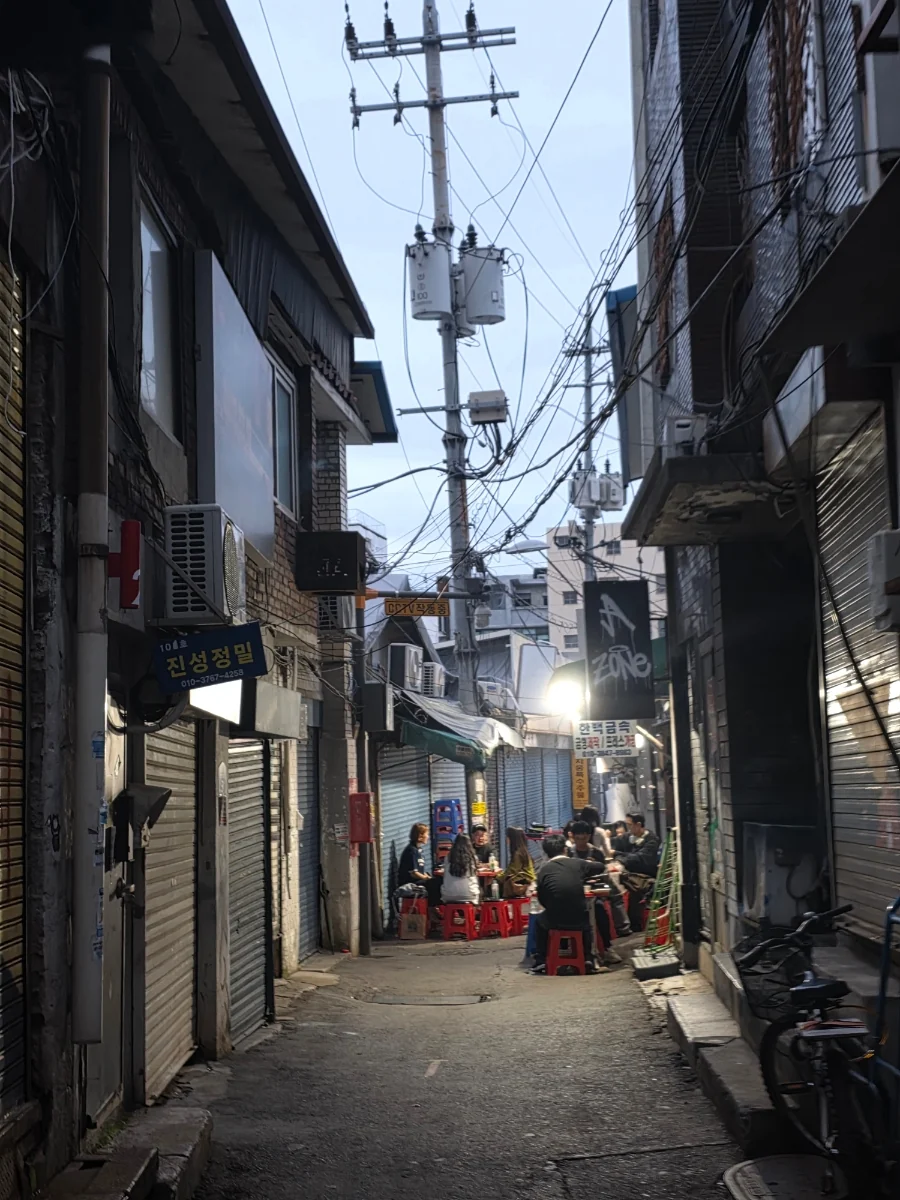
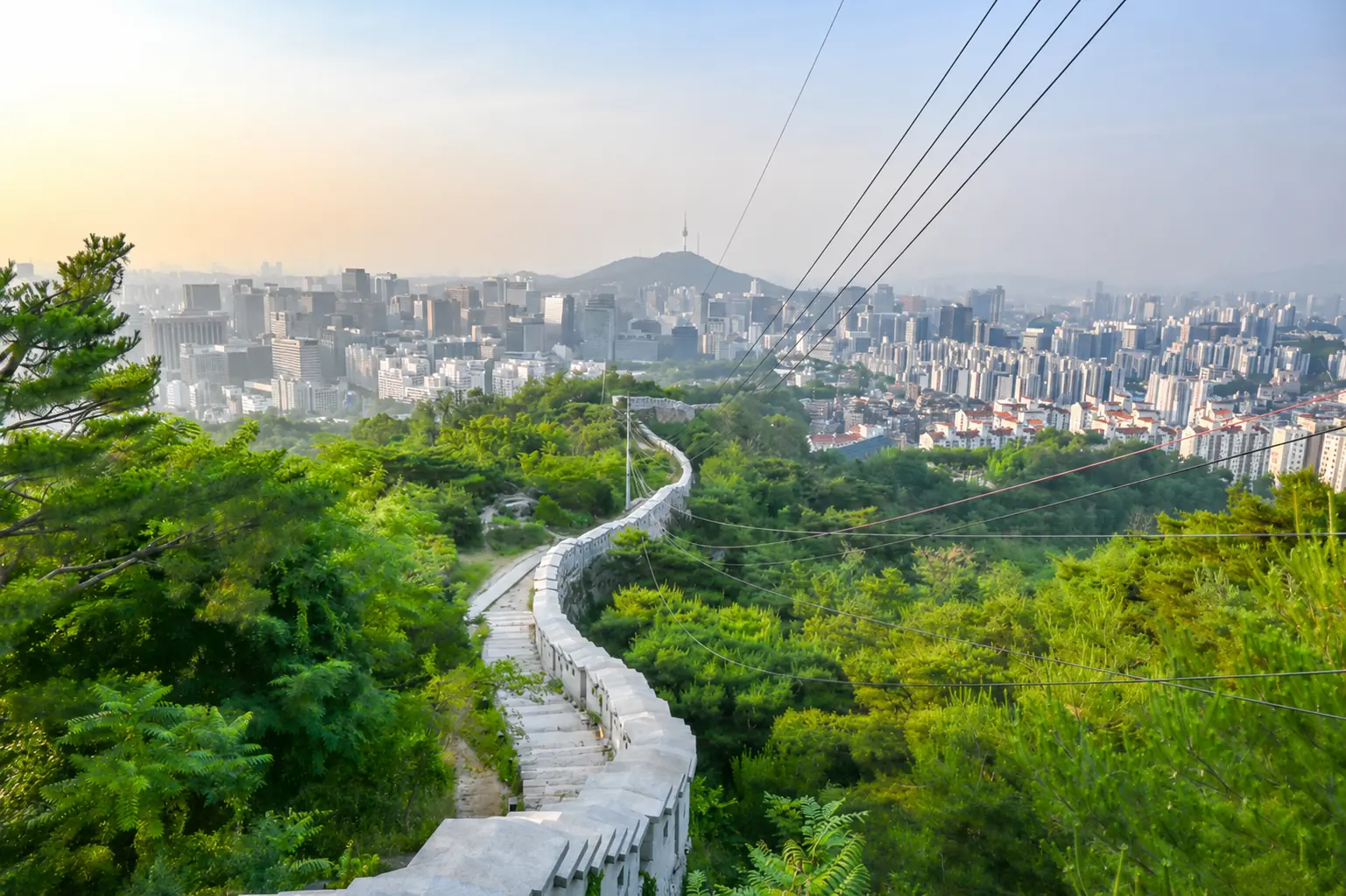
Inwangsan carries a section of fortress wall first built in 1396, and we take the gentle route with two points to turn back. Near the top the city arranges itself below — the palace, your neighbourhood, the river from last night. Four days become one map. That evening in Euljiro, where print shops and tool merchants give way after dark to plastic stools and steel tables, pajeon arrives: a spring-onion pancake fried until the edges go lacy, torn apart with chopsticks, with makgeolli poured from a kettle into shallow bowls rather than glasses. The map is opened on the table and you draw the last line on it yourself. It is sealed and marked: do not open until the plane takes off.