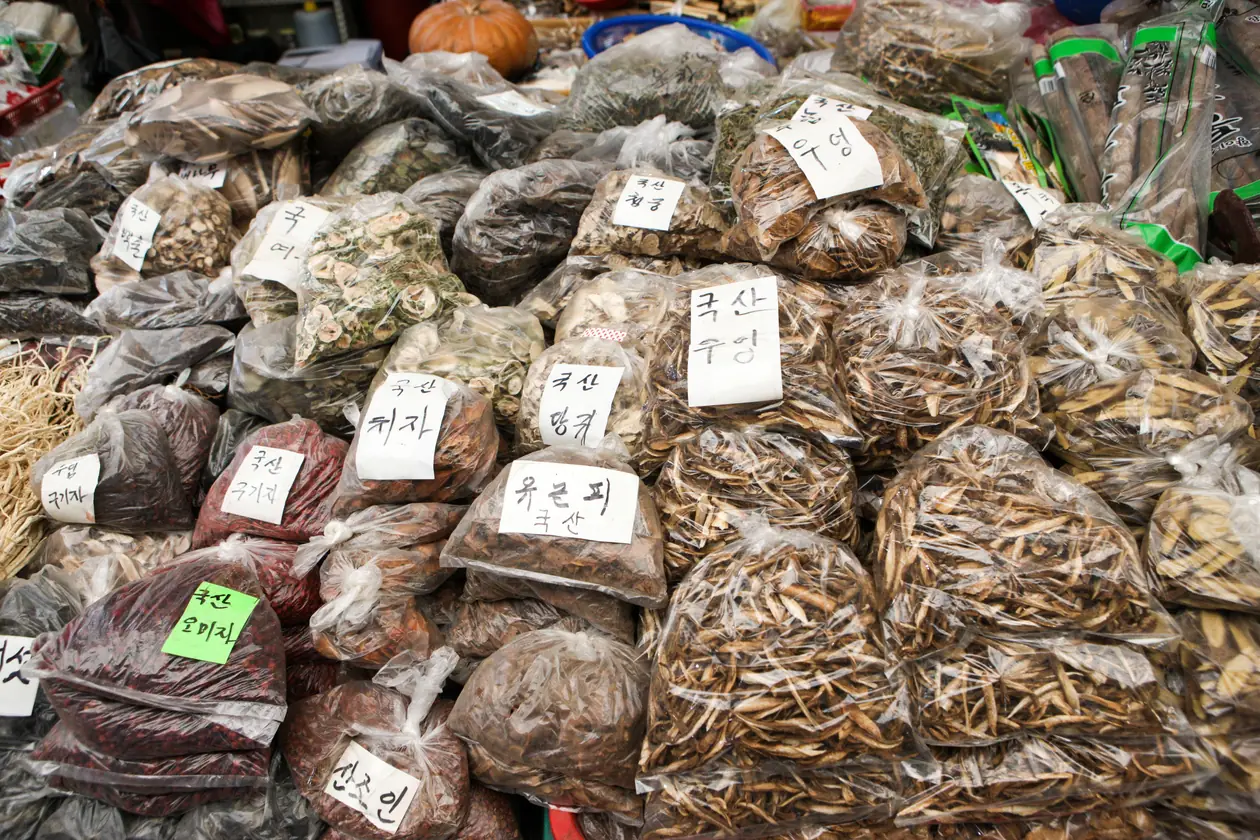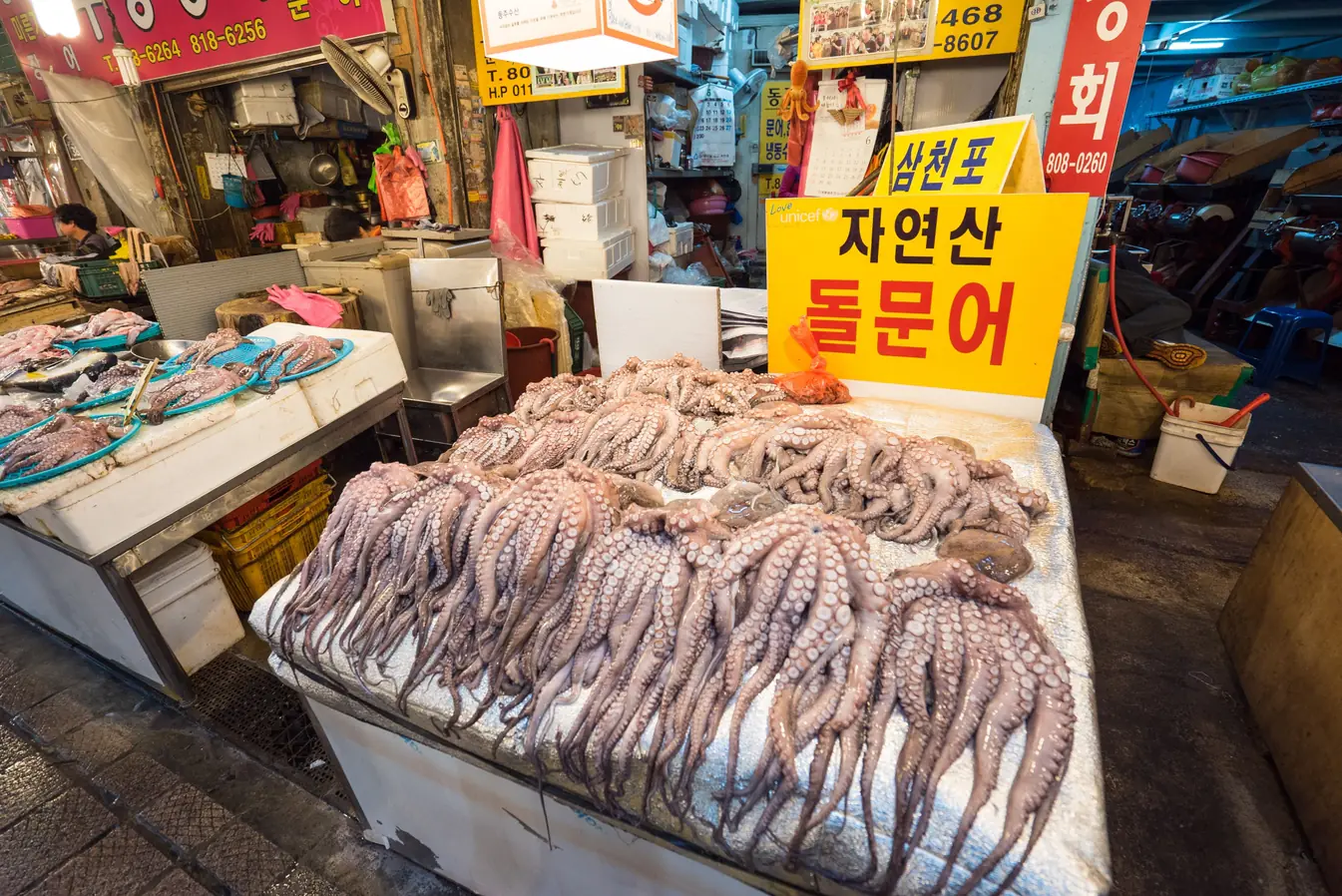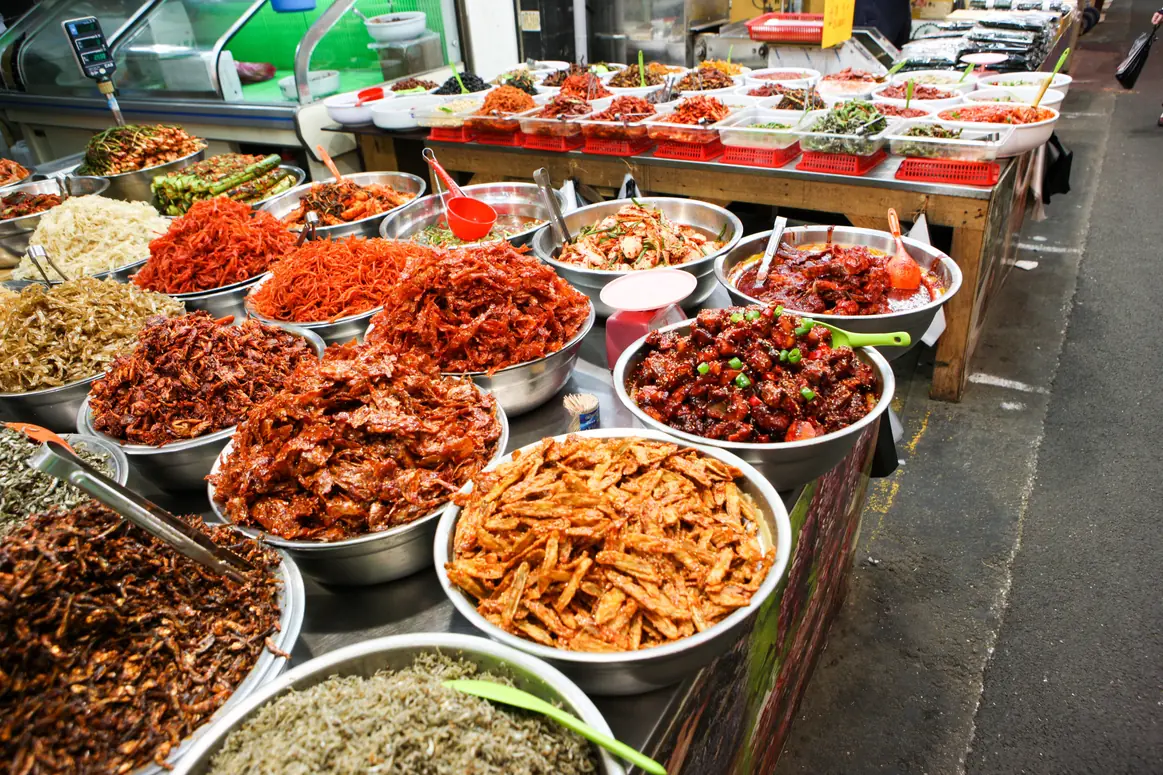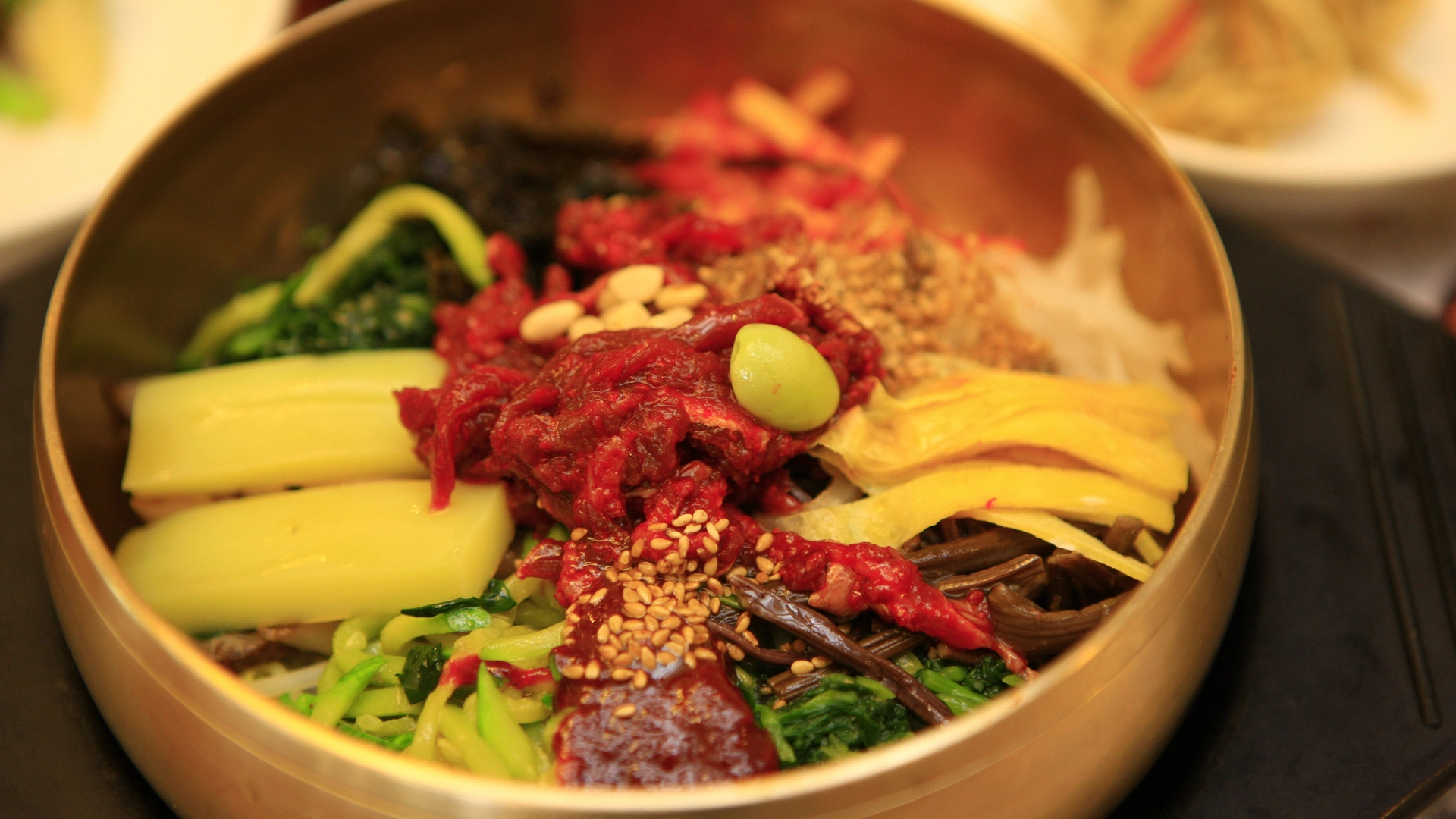
This route is built around process rather than a checklist of dishes. Seoul begins with the supply side: clients read seasonal produce at a wholesale market, then move into kimchi and hands-on cooking to see what preparation changes. Jeonju turns separate ingredients into a composed regional meal, using bibimbap to explain balance, texture and the role of banchan at the table.
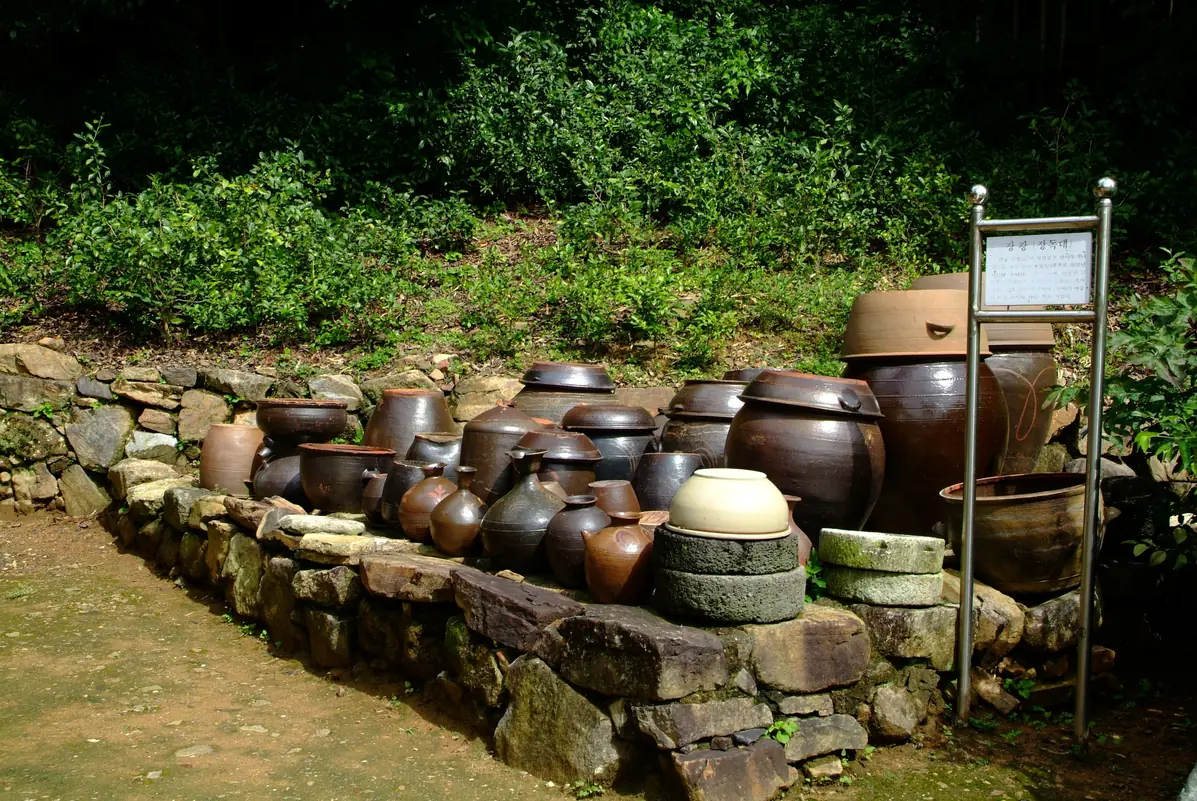
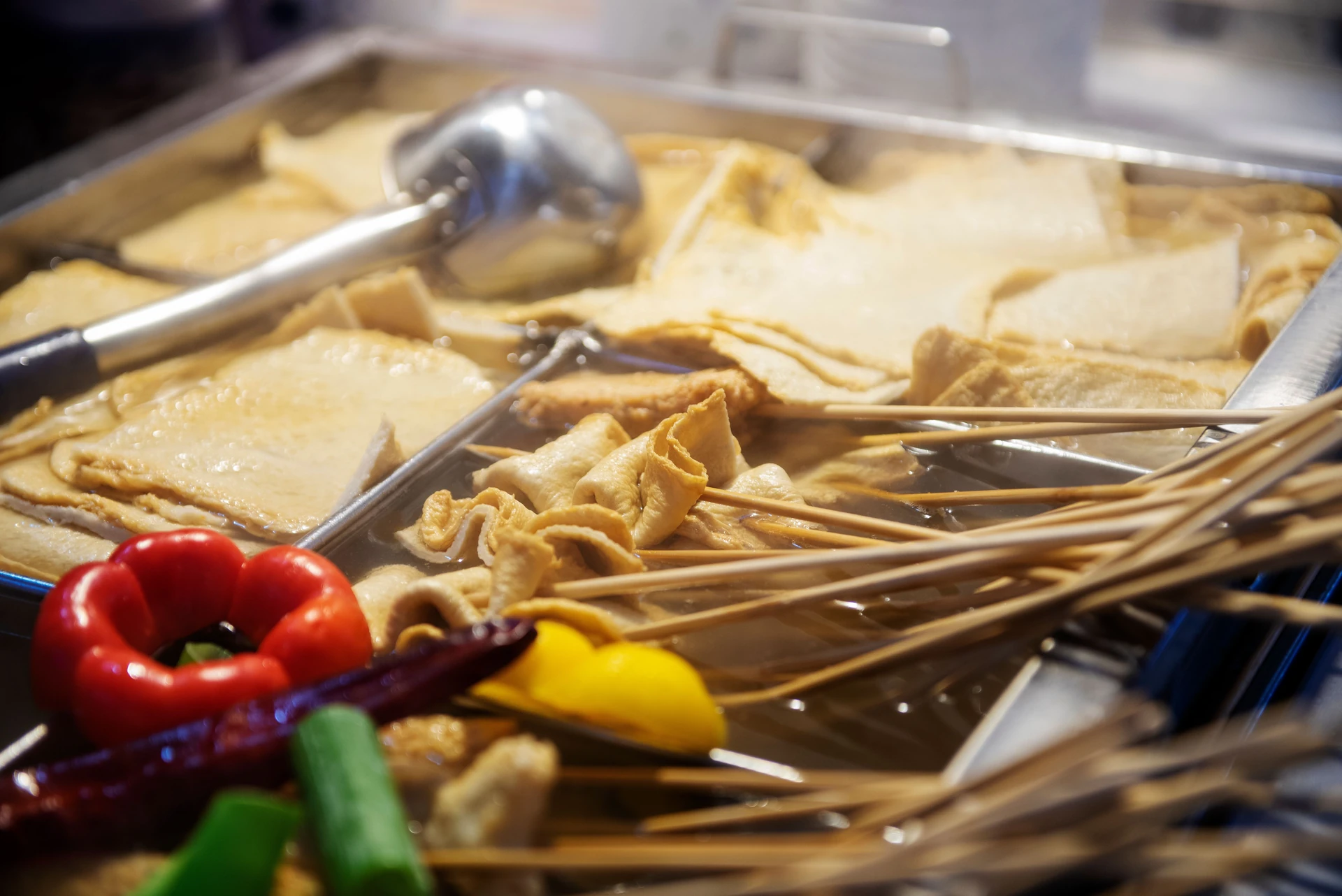
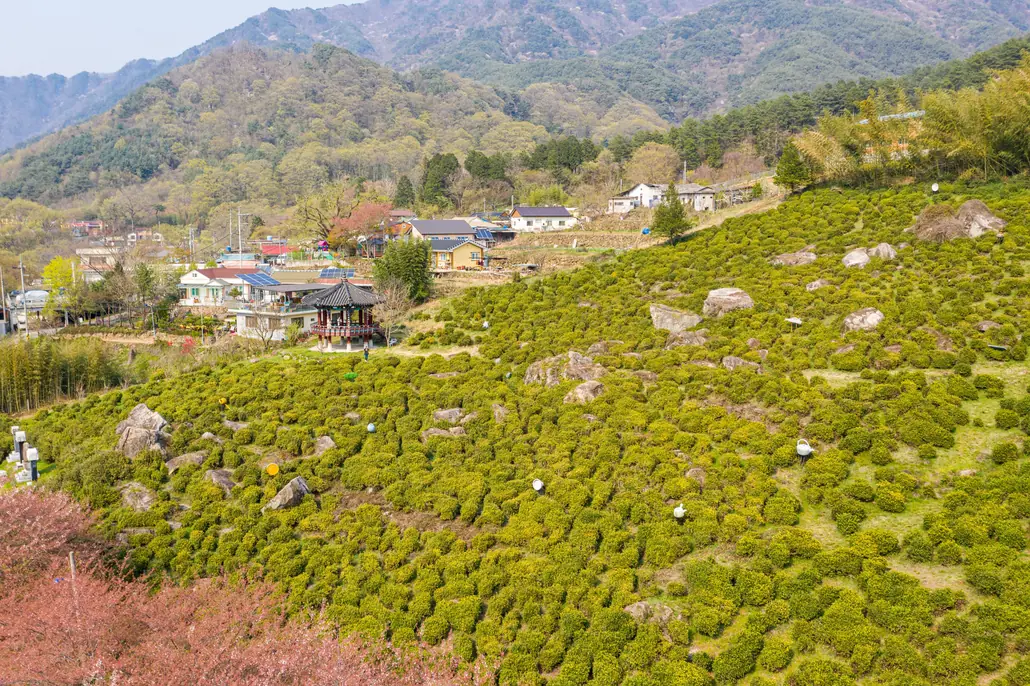
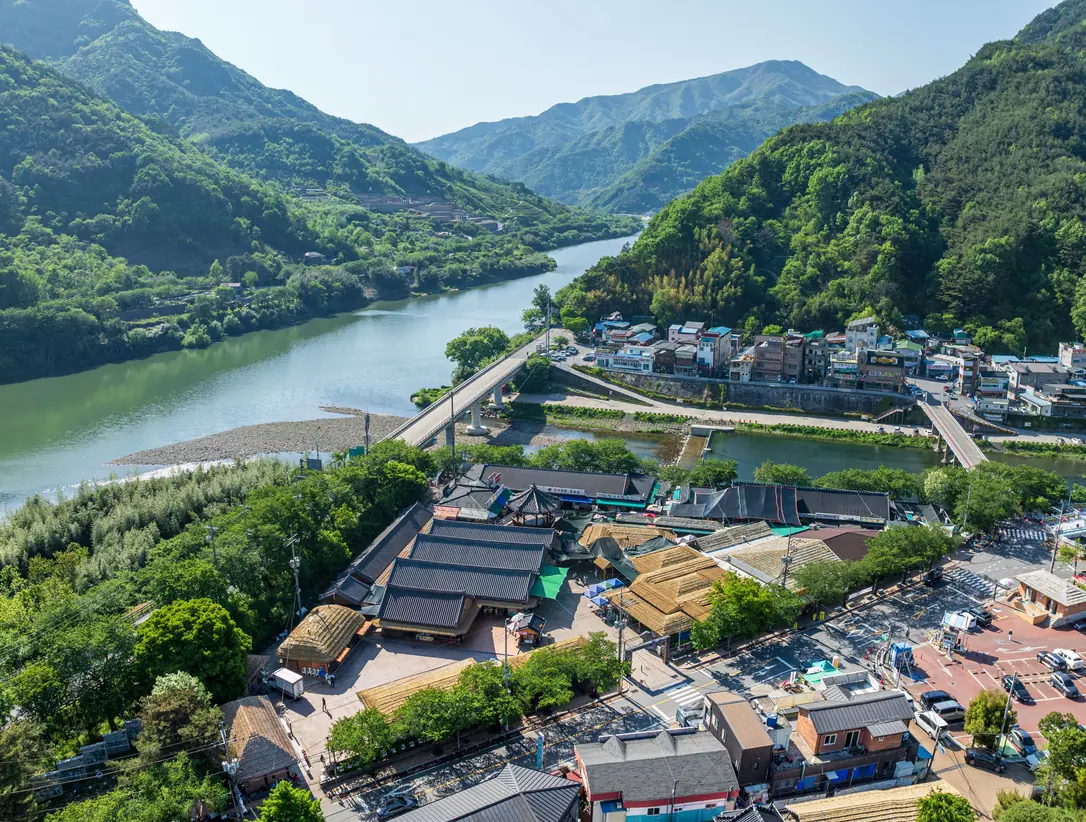
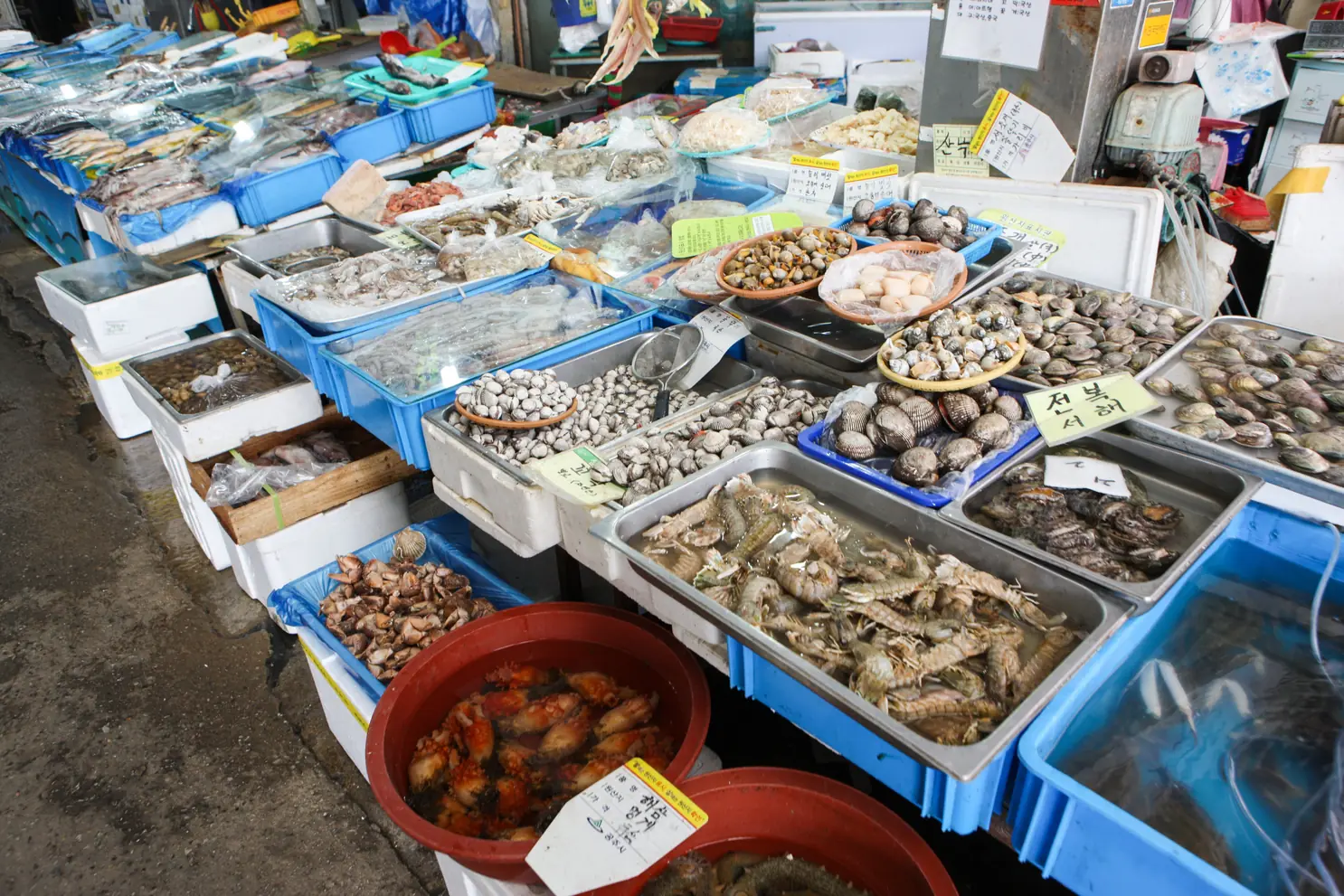
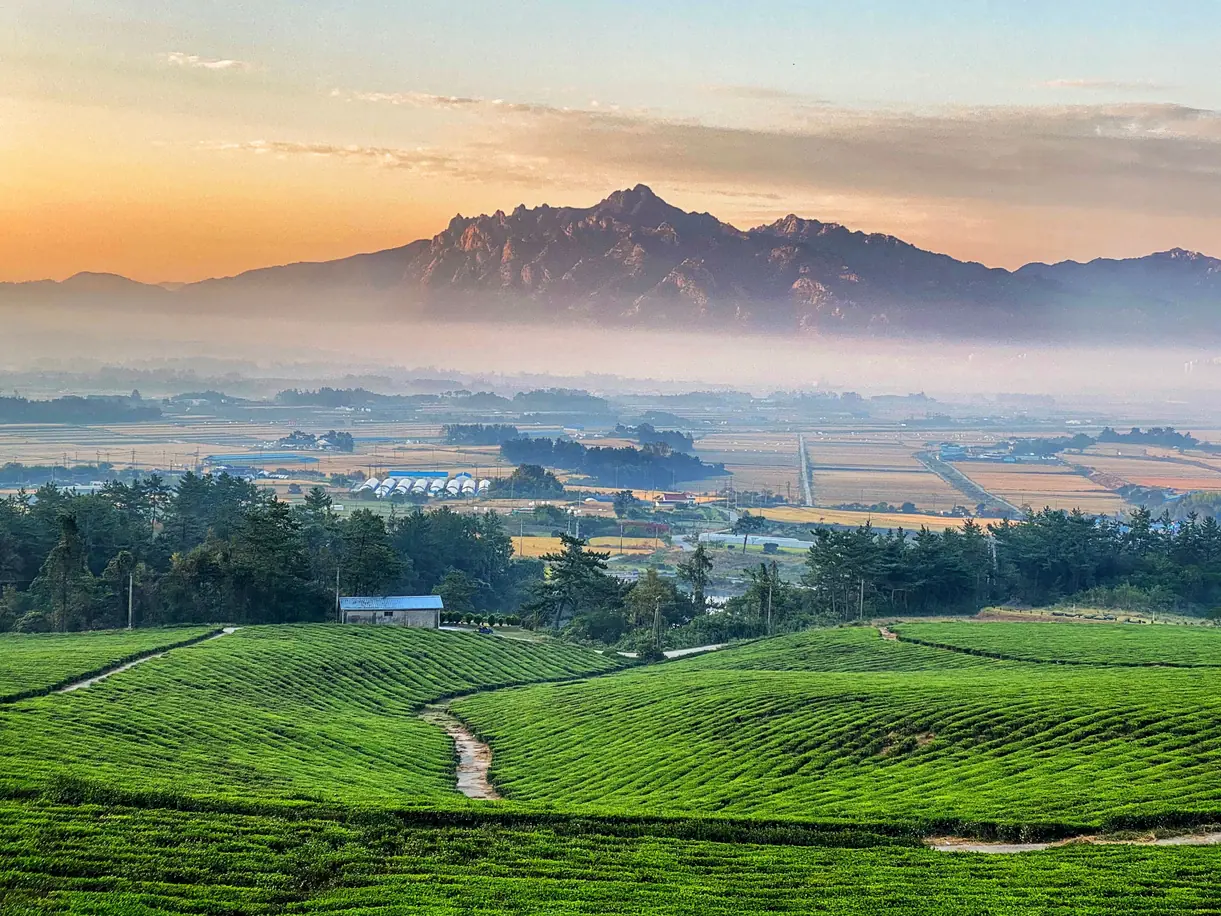
The journey then follows preservation and regional production south. Sunchang makes fermentation tangible through jang; Hadong shifts from food to tea, where cultivation and serving rituals show another kind of Korean taste culture. Busan closes the chain with fish cake, connecting seafood, processing and an everyday food found far beyond the port city.