Thirteen days, ten places, six regions, no domestic flights. Most days hold one site and ninety minutes with nothing in them. The route runs inland from Seoul through river country and Confucian villages to the old Silla capital, then out to the coast. One morning is different.
The first two days ask nothing of you
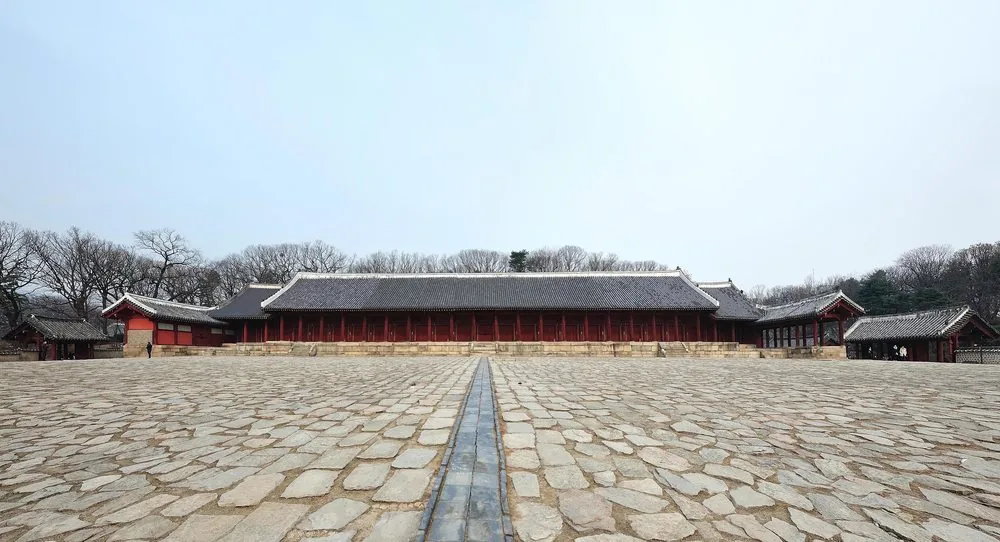
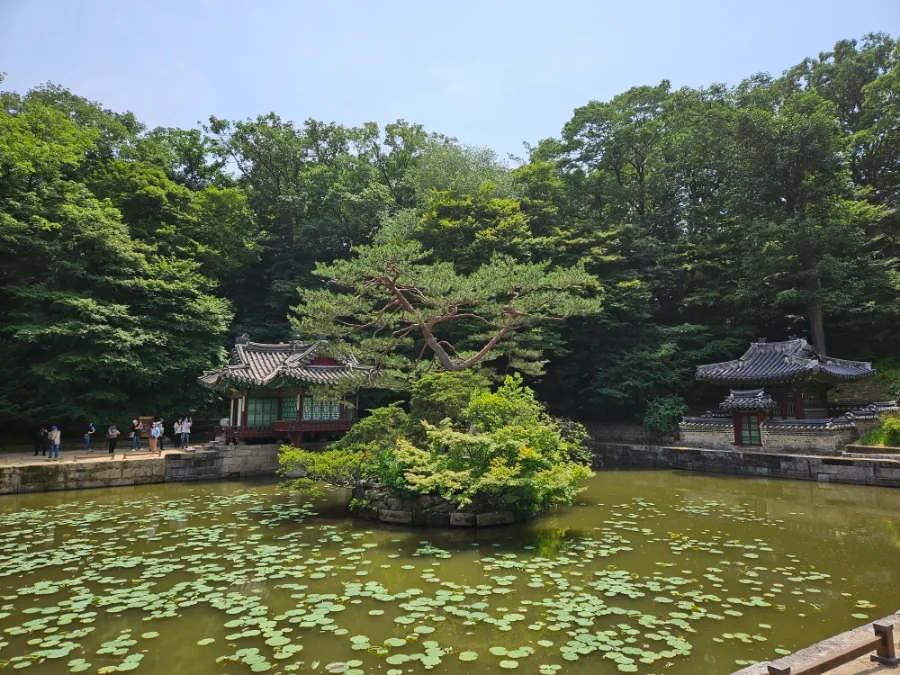
You land, and the first thing you see is a shrine where kings are not buried but remembered — one long roofline, almost no ornament, rites still performed there. The next morning is a palace garden entered by timed ticket in small numbers, laid out without levelling the hills it sits on. Then the afternoon is yours and nobody suggests anything. Two sites in forty-eight hours. Most travellers find this uncomfortable for about a day.
River country
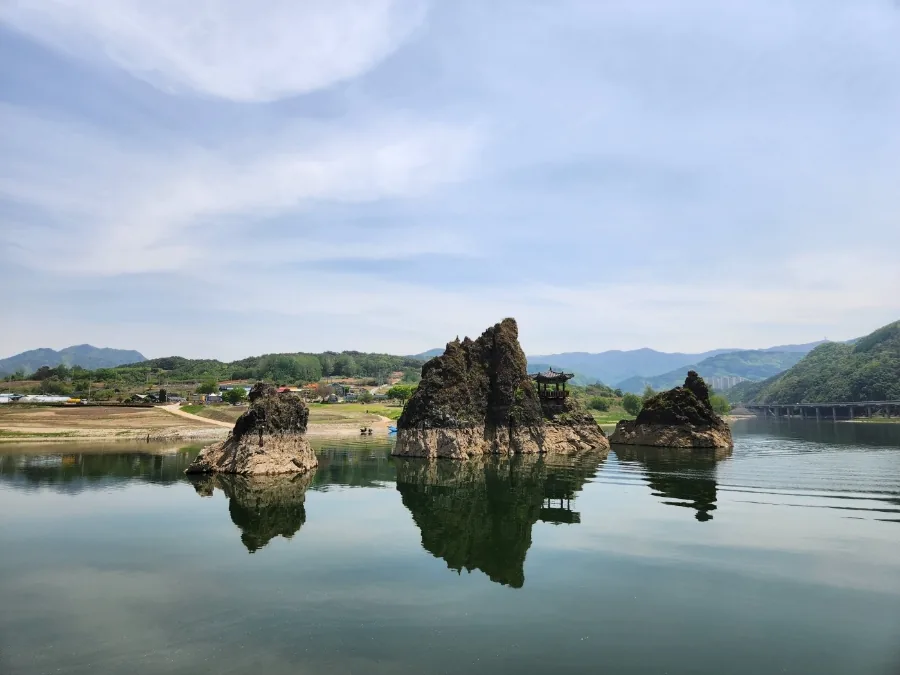
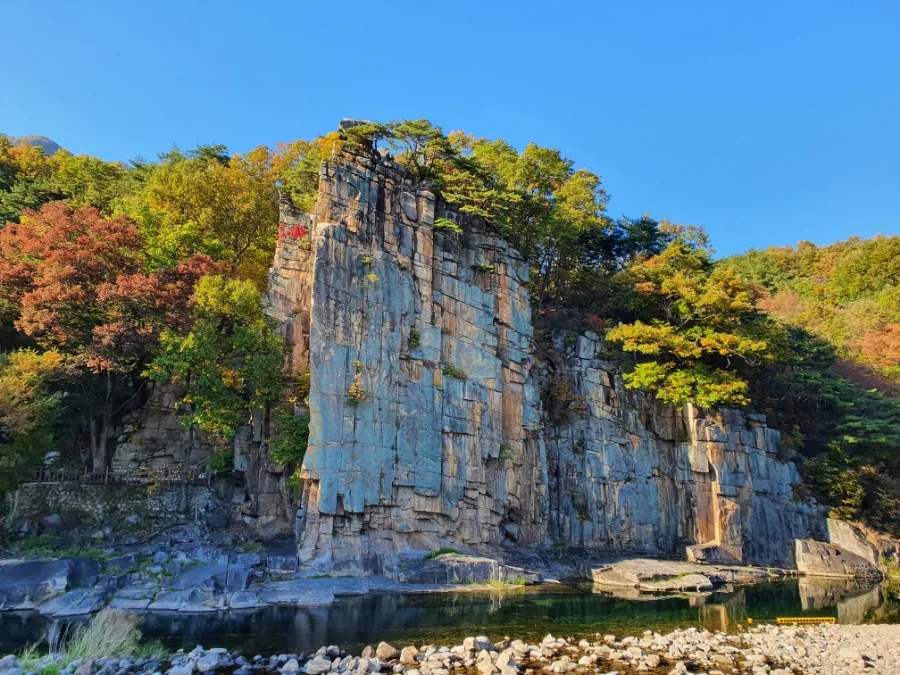
Danyang sits where the Namhan river cuts through limestone. Three rock peaks stand in the water, and a cliff leans over a stream with poems cut into its face by people who came here four hundred years ago to look at exactly what you are looking at. There is nothing to complete. You walk, you sit, you go back. This is where the pace stops being a schedule and becomes a condition.
A pavilion, and the afternoon that follows
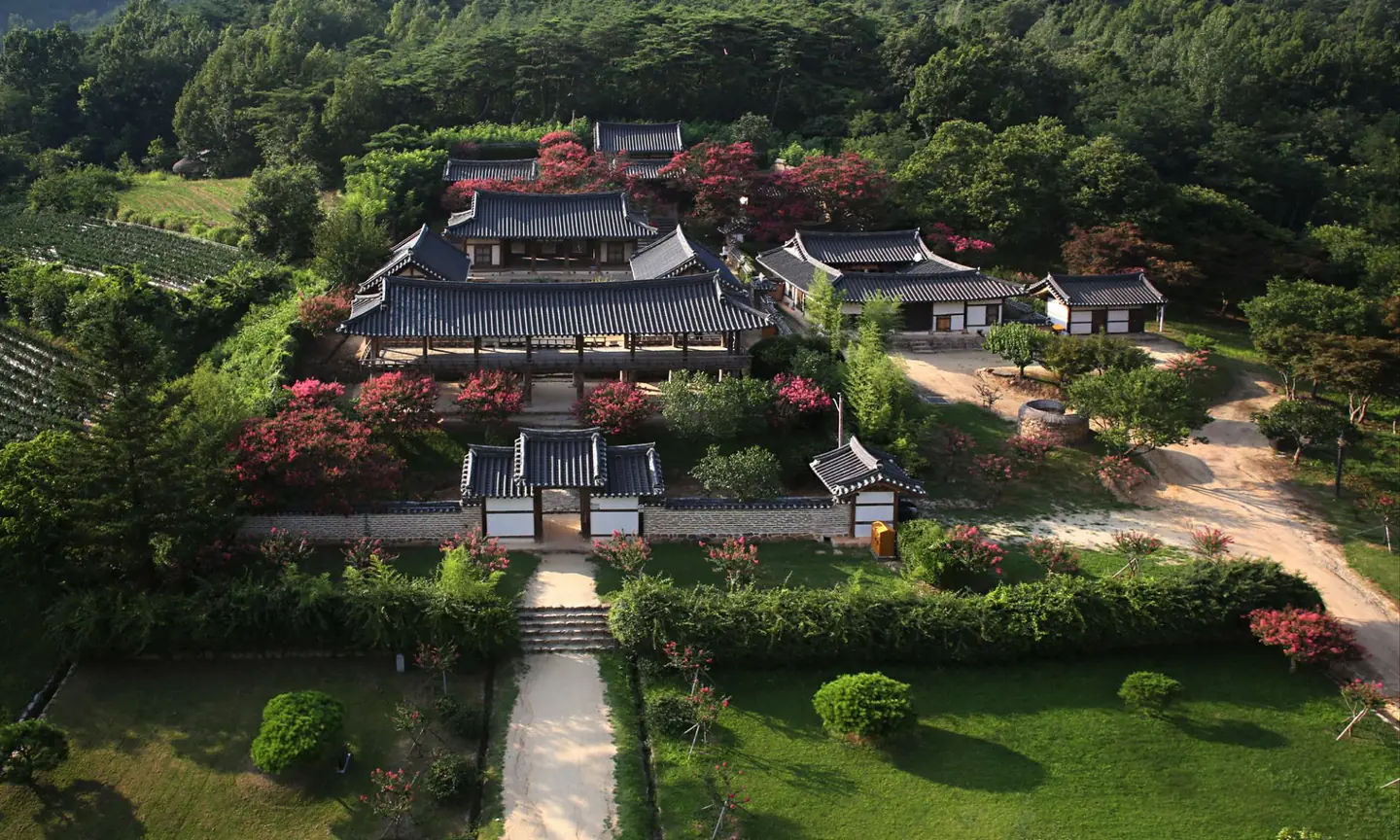
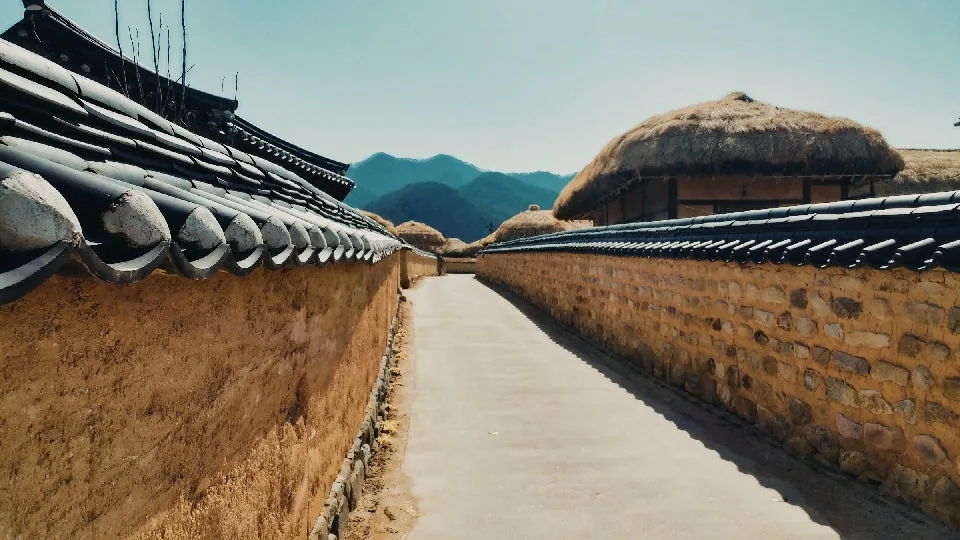
At a Confucian academy outside Andong there is a raised wooden pavilion where students sat facing a river and a wall of rock. The building offers one thing to look at and nothing else, so people stay far longer than they meant to. It is usually the first hour of the trip that passes without anyone speaking. Several travellers name this afternoon, not the temple, as the part they think about later.
Buddhas nobody put behind glass
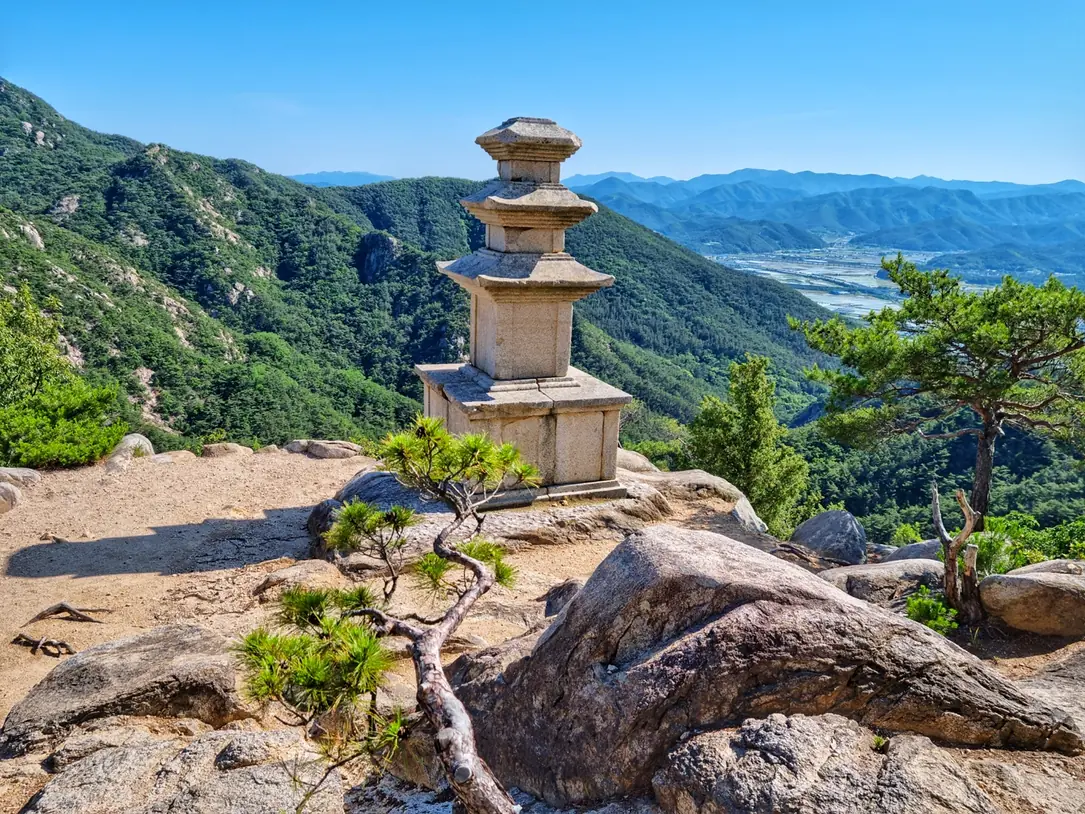
The mountain south of Gyeongju has Buddhas carved into its rock, some more than a thousand years old. No fence at each one, no ticket booth, no interpretive panel. You walk a gentle path and find them, or you walk past one and your guide says nothing until you notice. The old Silla capital is known for its tombs and its great temples; this is the part of it that was never arranged for anyone.
One morning, before light
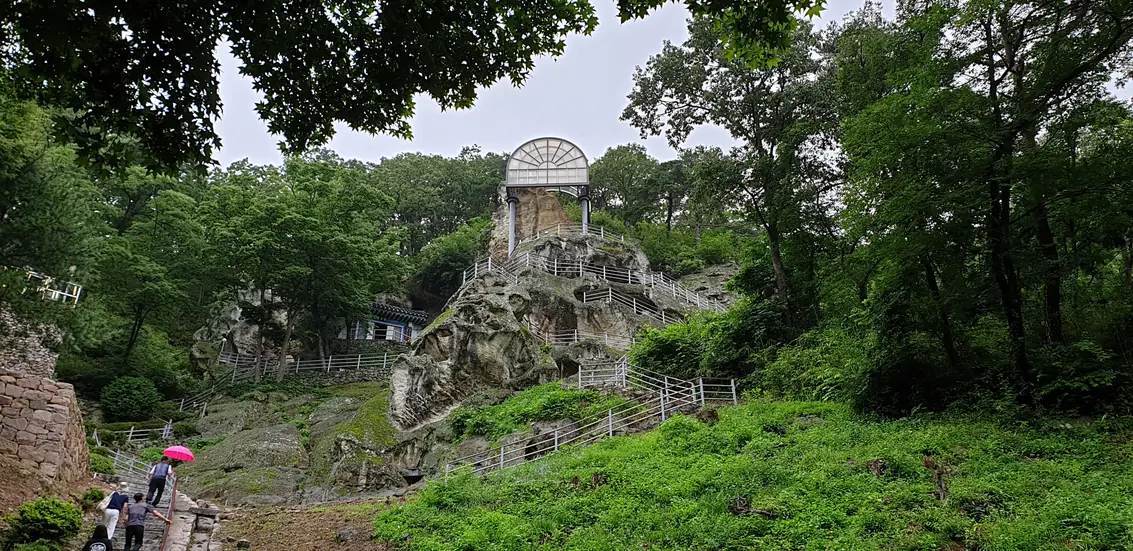
On the ninth day you check into a temple built against a cliff face in the hills outside Gyeongju, where Buddhas are cut into the rock above the halls. Before dawn you are on a wooden floor in loose clothes, learning breath, posture and movement from a monk. There is no music and no counting. Your legs shake. Nothing is explained before or afterwards. You can take the full practice, the breathing and posture only, or sit and watch — all three end in the same silence.
The women who whistle when they surface
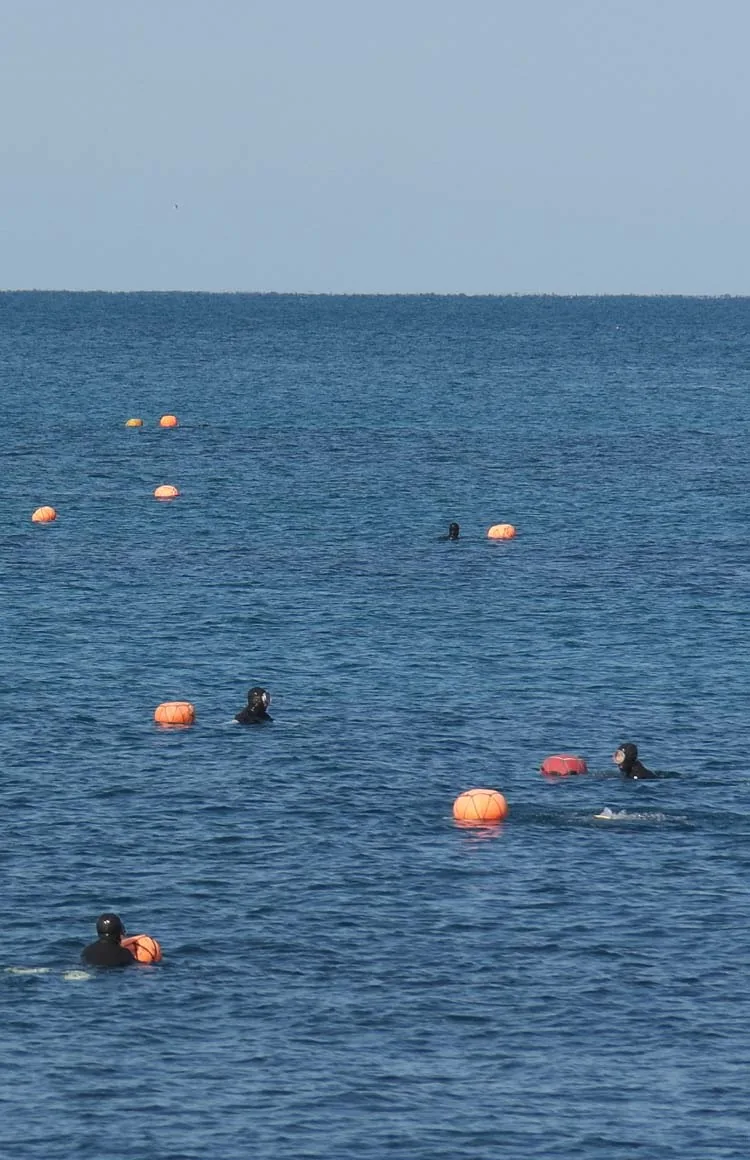
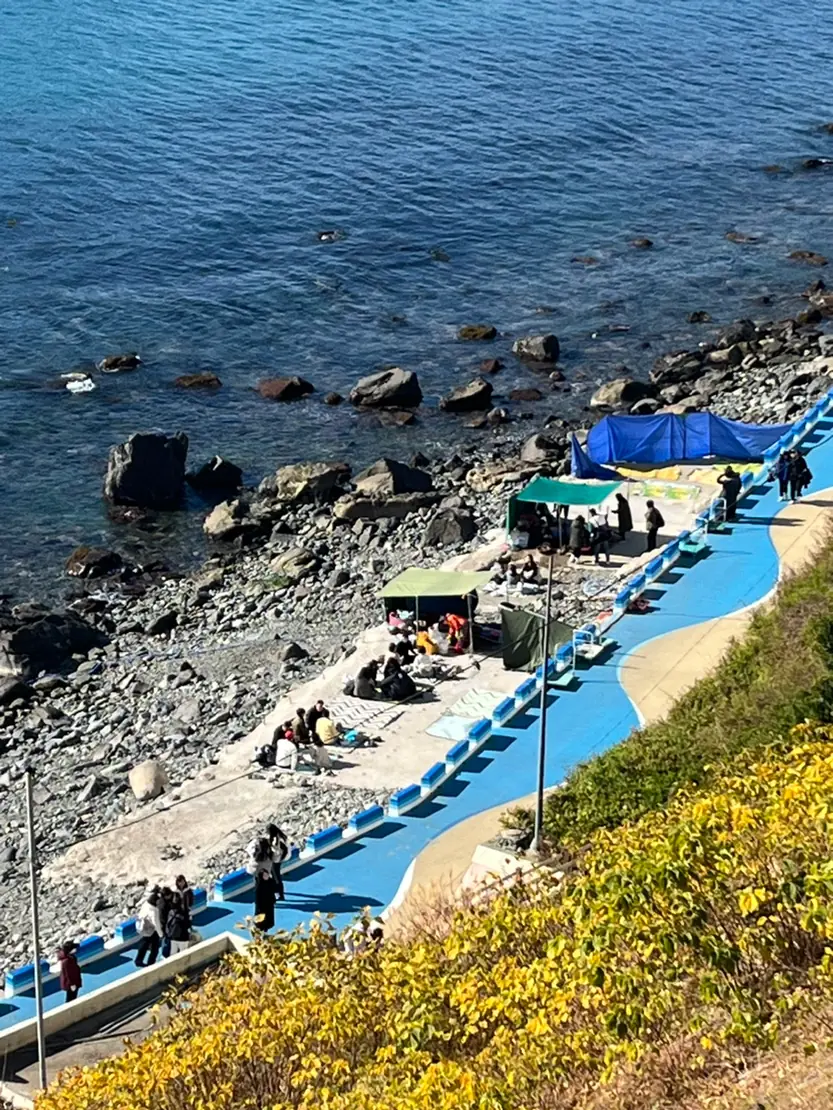
The next morning, on an island in Busan harbour, women in their sixties and seventies come out of the water with what they have caught and lay it out. On surfacing they push air out in a high whistle, because that is how a person breathes after two minutes under. You had spent the previous dawn learning to control breath in a temple. Here it is a job that has been done for generations. Nobody connects the two out loud.
The last evening, and what you now recognise
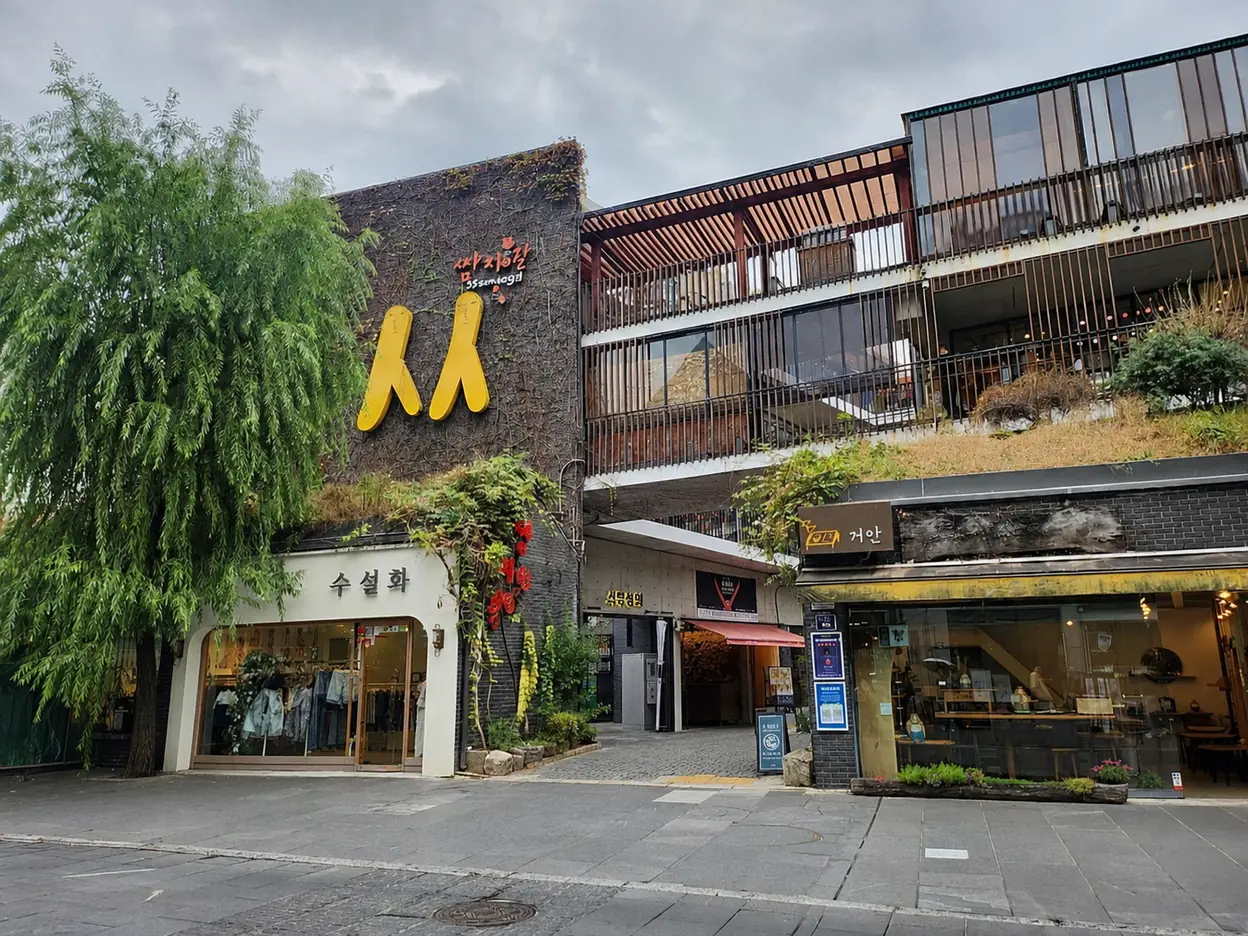
On the final night you are back in Seoul with nothing scheduled, in the streets around Insadong and Myeongdong. Two weeks earlier everything in those windows would have looked much the same. Now you know which wood, which paper, which weave, and why one costs four times the other. We do not hand you a keepsake at the end of this trip. You go and choose one, which is a different kind of proof.