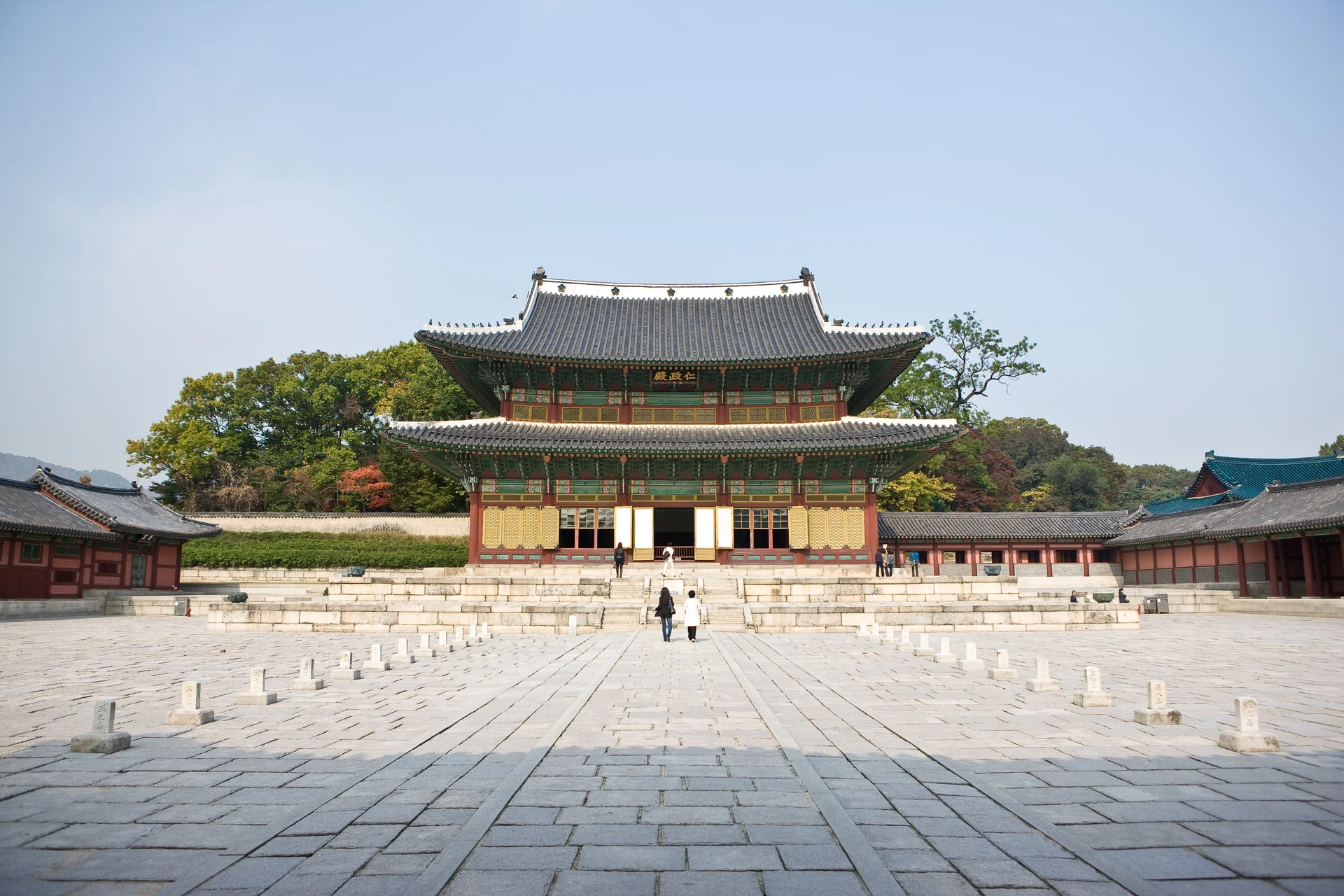
A two-tiered wooden hall facing a wide stone-paved courtyard enclosed by low corridors
HERITAGE · CULTURE

UNESCO World Heritage in Your Hands

Read Korea's history through the places that still hold its evidence.

Clients travel from royal Seoul to Confucian Andong, Silla Gyeongju, Haeinsa and Baekje Iksan, comparing how successive societies organised belief, knowledge, settlement and power.

Seoul → Andong → Gyeongju → Hapcheon → Iksan 8 days 7 nights UNESCO Heritage GROUP & FIT

Experience Story

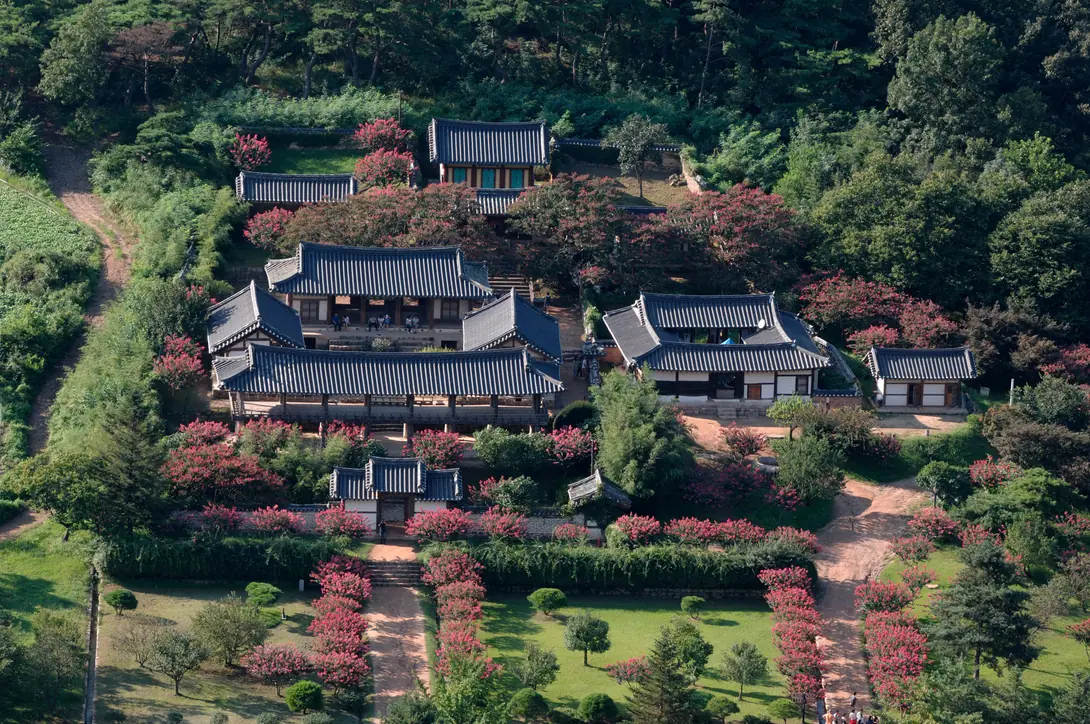
The journey follows a historical sequence rather than collecting designation labels. Seoul establishes the institutions of the Joseon court through palace and ritual space. Andong then shifts the view from central authority to a clan village and Neo-Confucian academy, showing how social order was expressed beyond the capital.

Gyeongju moves further back to Silla, where Buddhist monuments, royal tombs and archaeological remains occupy an entire historic landscape. Haeinsa changes the focus from political power to the preservation of knowledge. The route closes in Iksan, where archaeological sites reveal Baekje's palace planning and Buddhist culture, before returning to Seoul for a practical final night. Seoul site order changes around weekly palace and shrine closures.
Signature Moments

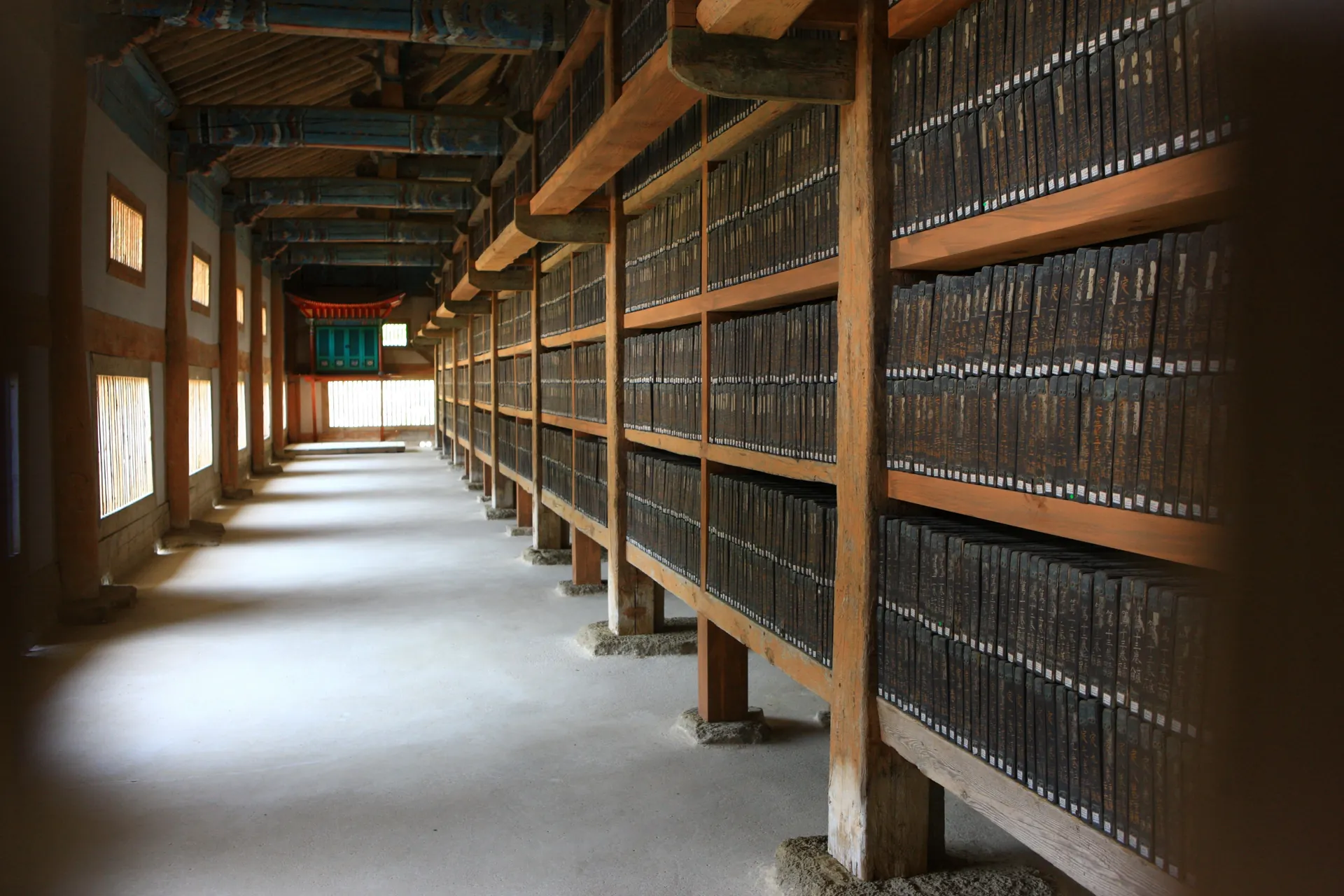
Knowledge Preserved in Wood

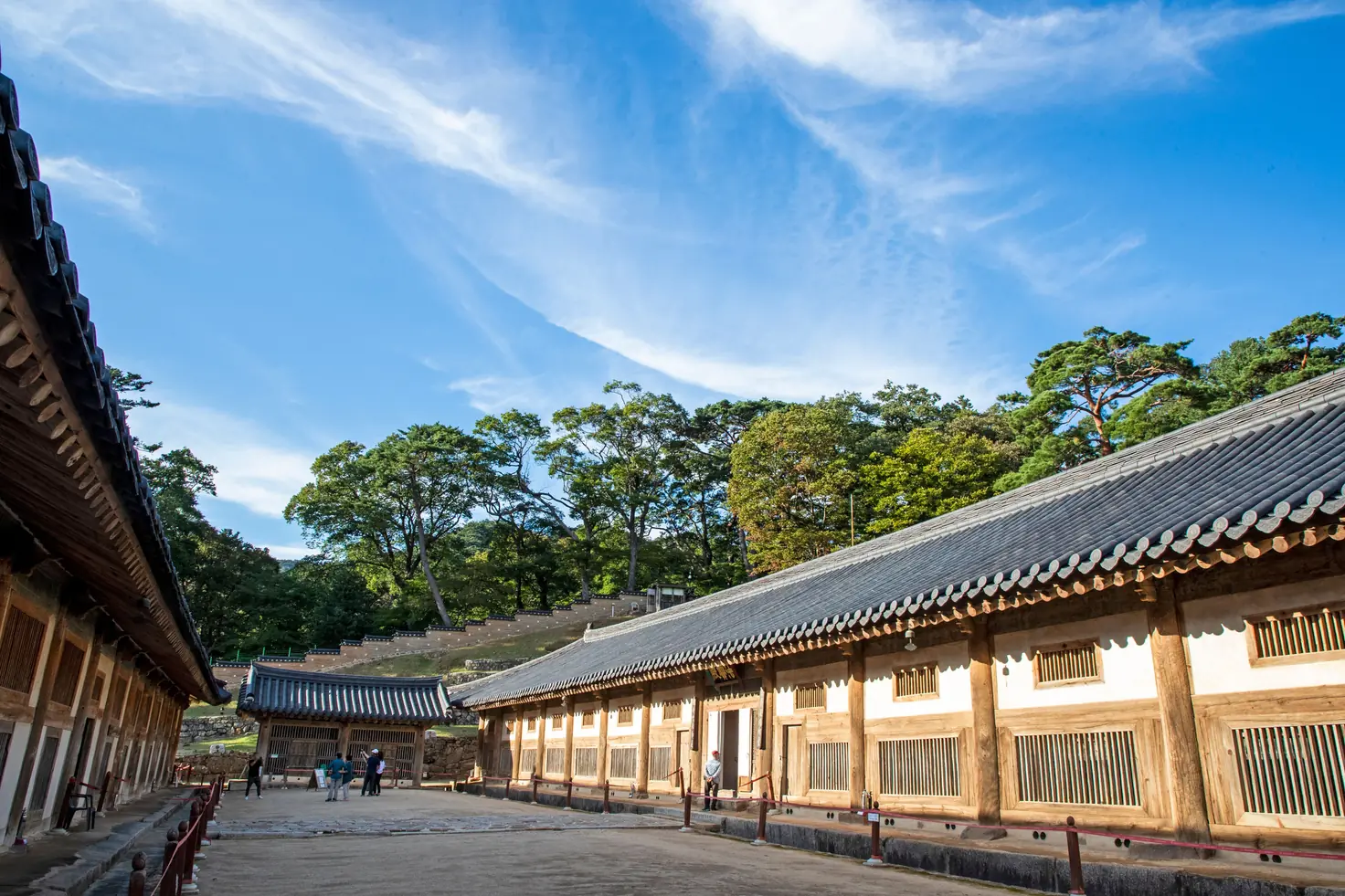
Clients examine how carved printing blocks, timber buildings and passive ventilation work as one preservation system. The experience connects written knowledge with the physical decisions required to protect it across centuries.

Reading Space and Authority

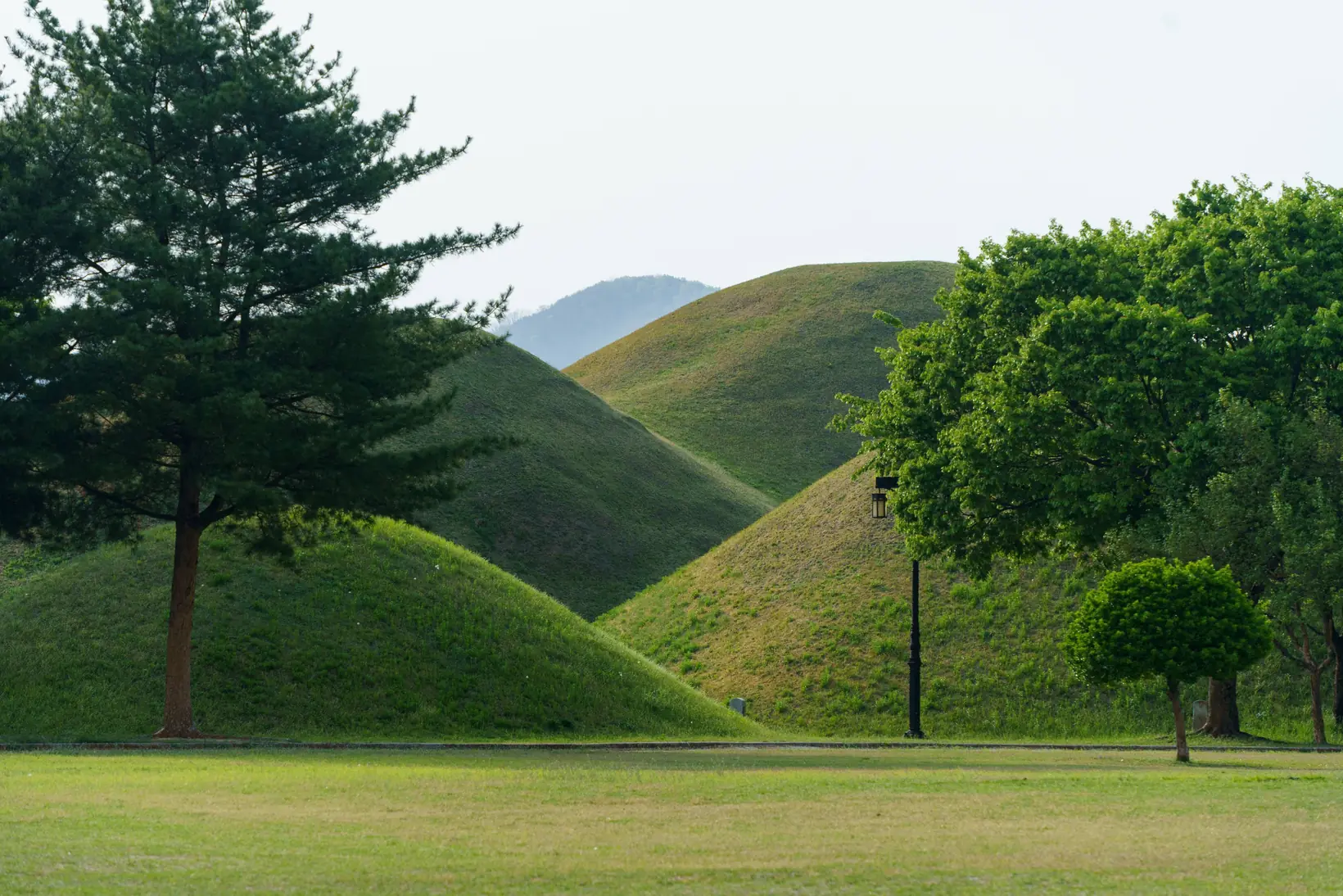
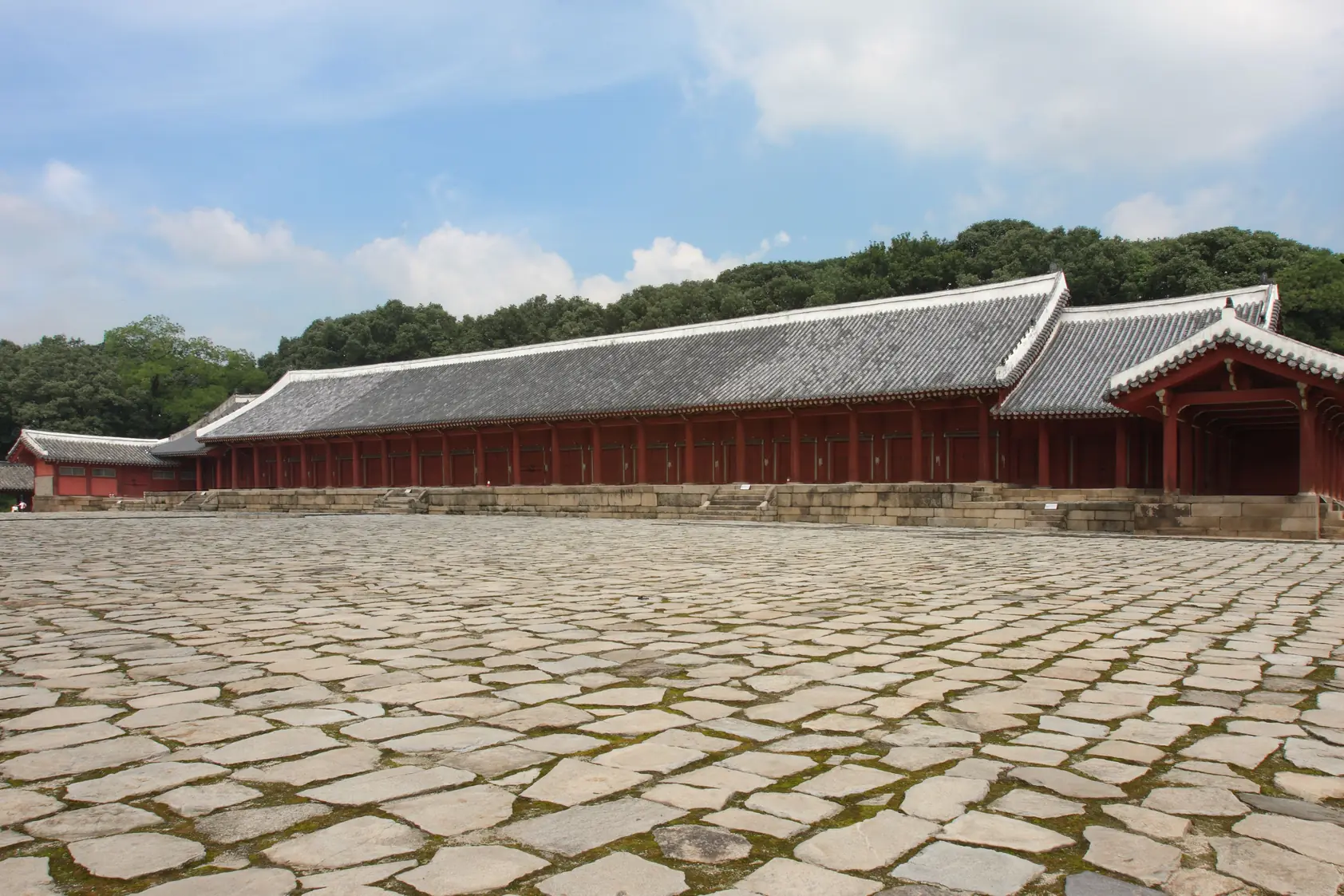
Courtyards, ceremonial paths, tomb fields and settlement plans reveal who could move where and why. Clients learn to read heritage spatially instead of treating each monument as an isolated object.

Heritage Still in Use

Royal ritual, Buddhist worship, village residence and local stewardship have not disappeared into display cases. Clients encounter protected places that retain present-day functions, rules and communities alongside their historical value.

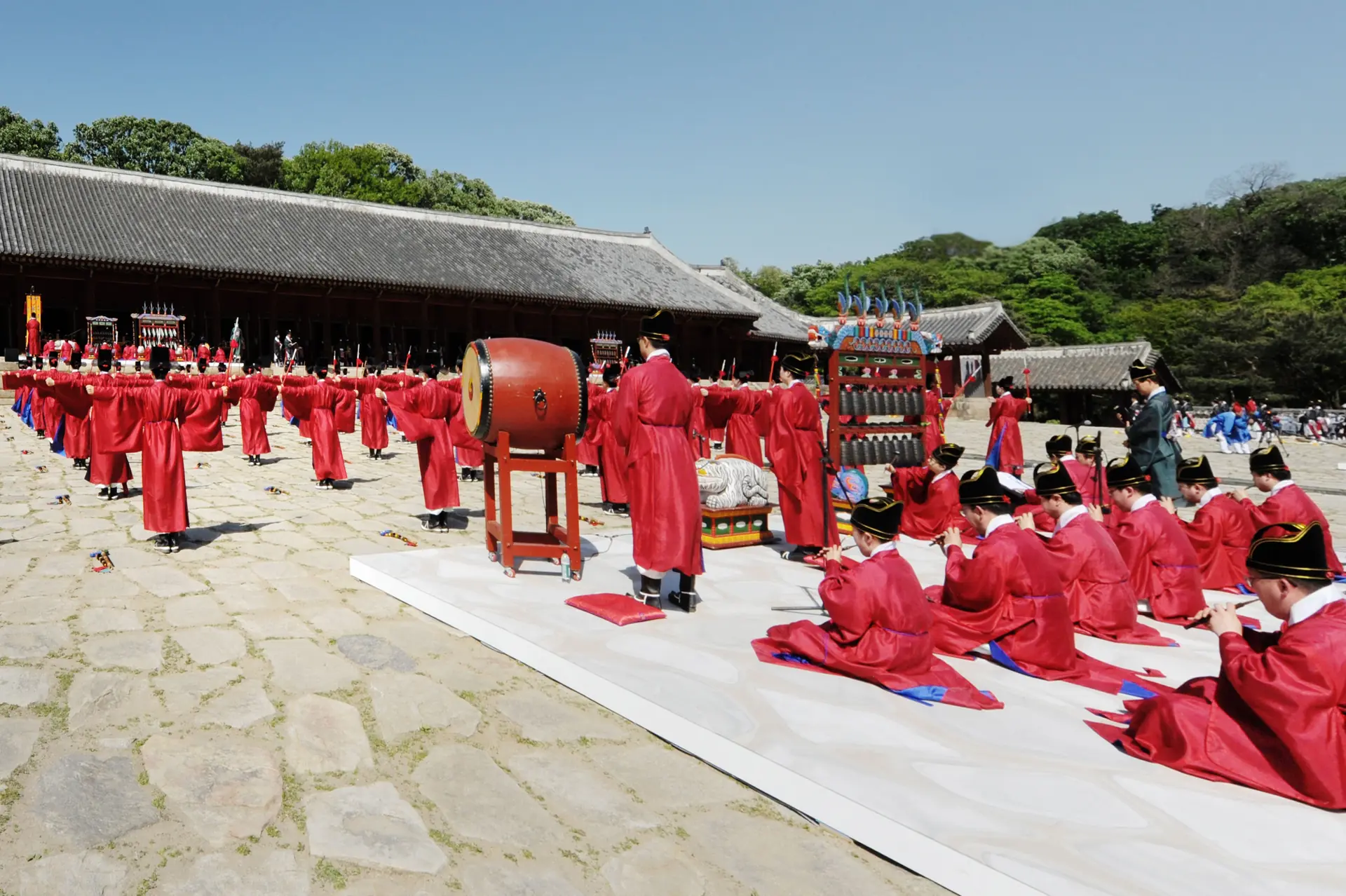
Rows of wooden printing blocks filling shelves along the length of a timber hall interior A long tiled-roof hall on a raised platform above a wide courtyard of rough stone slabs Dozens of people in red ceremonial robes with a large drum on a stone courtyard

Route

DAY 1
Arrival in the Capital
  • Seoul arrivalMeet the guide, transfer to the hotel and confirm the week's site schedule.
  • Central SeoulTake a light orientation walk and review the week's palace closures.
Overnight: Seoul
DAY 2
Royal Order and Ritual
  • Changdeokgung PalaceRead palace planning through halls, courtyards and surrounding topography.
  • Secret GardenFollow the reserved route through royal pavilions and landscaped woodland.
  • Jongmyo ShrineExamine architecture designed for royal ancestral rites.
Overnight: Seoul
DAY 3
From Court to Clan Village
  • Seoul → AndongTravel southeast by private vehicle through the central provinces.
  • Hahoe VillageWalk the riverside settlement, lanes and traditional residential compounds.
  • Village viewpointRead the relationship between settlement, farmland, river and surrounding hills.
Overnight: Andong
DAY 4
Confucian Landscape to Silla
  • ByeongsanseowonExamine academy architecture organised around study, ritual and landscape.
  • Andong → GyeongjuContinue south to the former Silla capital.
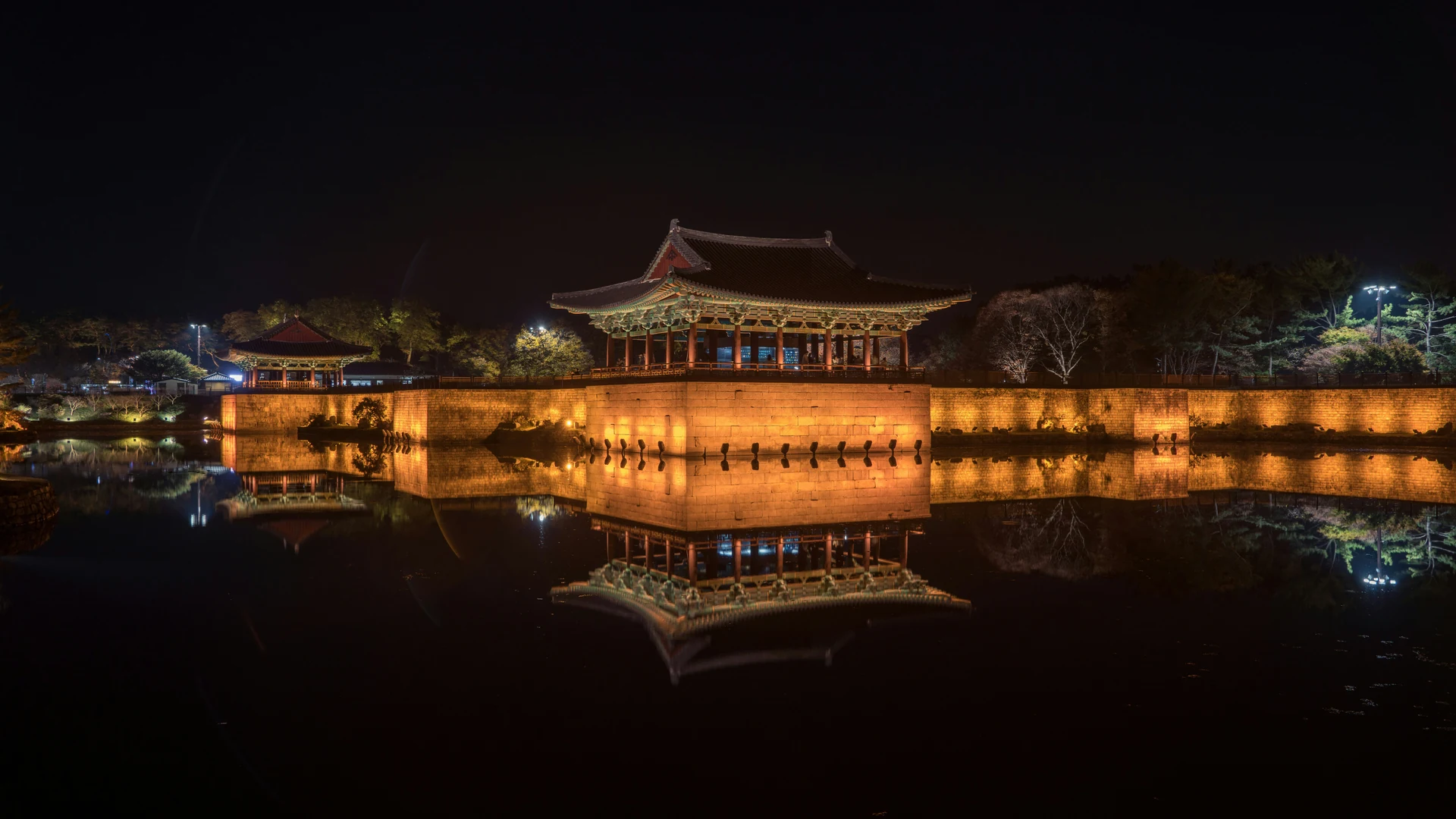
  • Donggung Palace & Wolji PondIntroduce Gyeongju's royal archaeological landscape after dark.
Overnight: Gyeongju
DAY 5
Buddhist and Royal Gyeongju
  • Seokguram GrottoConsider Buddhist sculpture, orientation and mountain setting.
  • Bulguksa TempleExplore stone terraces, halls and the temple's spatial hierarchy.
  • Daereungwon · WolseongWalk between royal tombs and central Silla remains.
Overnight: Gyeongju
DAY 6
Preserving Buddhist Knowledge
  • Gyeongju → HaeinsaTravel west towards Gayasan National Park.
  • Haeinsa TempleExamine the depositories' setting and preservation logic without promising interior access.
  • Haeinsa → JeonjuContinue west to Jeonju for the overnight stay and an evening meal.
Overnight: Jeonju
DAY 7
Baekje Archaeology
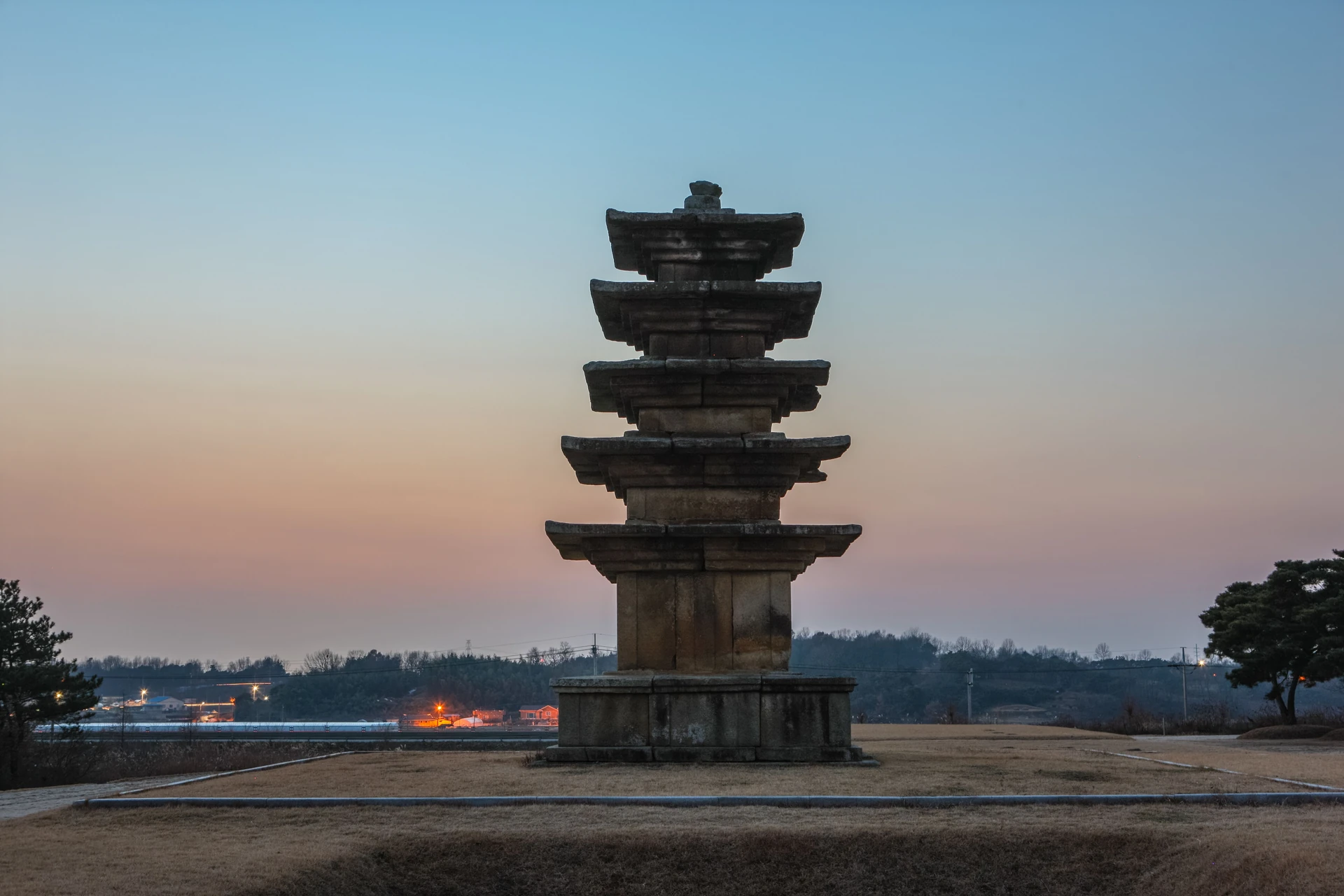
  • Wanggung-ri Archaeological SiteTrace the layout of Baekje's secondary capital complex.
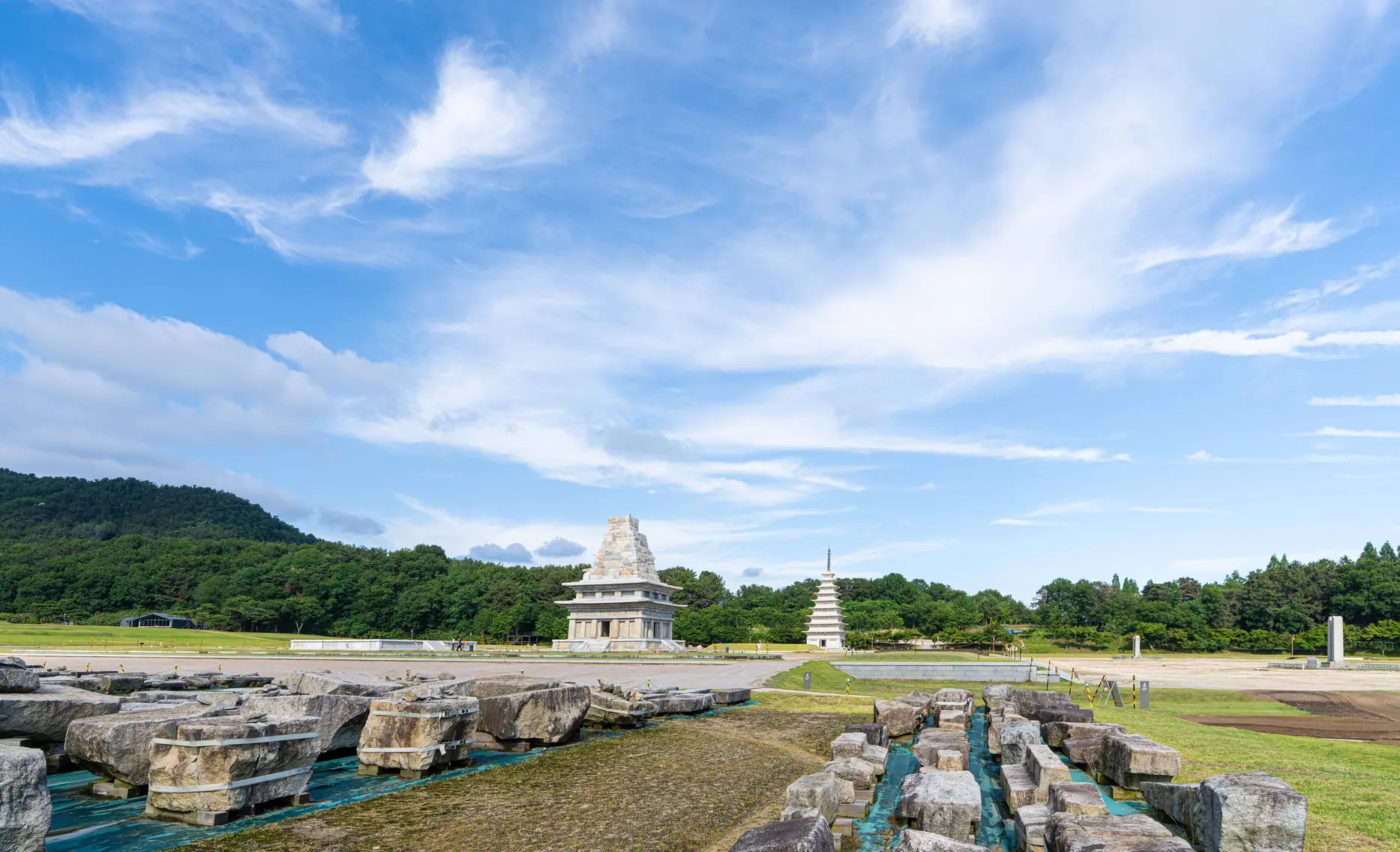
  • Mireuksa Temple SiteCompare reconstructed scale with surviving archaeological evidence.
  • Iksan → SeoulReturn to Seoul for a stable pre-departure night.
Overnight: Seoul
DAY 8
Departure
  • Final Seoul morningKeep time for a short walk or last purchases before transfer.
  • Seoul departureTransfer to the agreed airport or onward programme.
Departure
Tiled-roof buildings on stepped terraces seen from above, surrounded by woodland and pink blossom Two large grass-covered burial mounds between pine and broadleaf trees Illuminated pavilions and a stone-faced terrace mirrored in dark water
Tiled roofs of two timber halls with latticed walls, trees and open sky between them A five-storey stone pagoda standing alone against a dusk sky Two pagodas across an open archaeological site scattered with cut stone blocks

At a Glance

Duration
8 days 7 nights
Destination
Seoul · Andong · Gyeongju · Hapcheon · Jeonju · Iksan
Best For
Heritage groups · Cultural travellers
Travel Style
Guided cultural journey
Best Season
Year-round
Activity Level
Easy–Moderate
Format
GROUP & FIT
Optional Add-ons
Curator Talk · Temple Meal · Extra Night

Photos: Korea Tourism Organization

Looking for a UNESCO heritage journey through Korea for your clients?

Adjust hotel level, interpretation depth, walking time and site order for your market, traveller profile, group size and pace. Send JIGI TRAVEL the programme brief to develop a heritage route with verified access and workable regional transfers.

DESIGN A PROGRAM