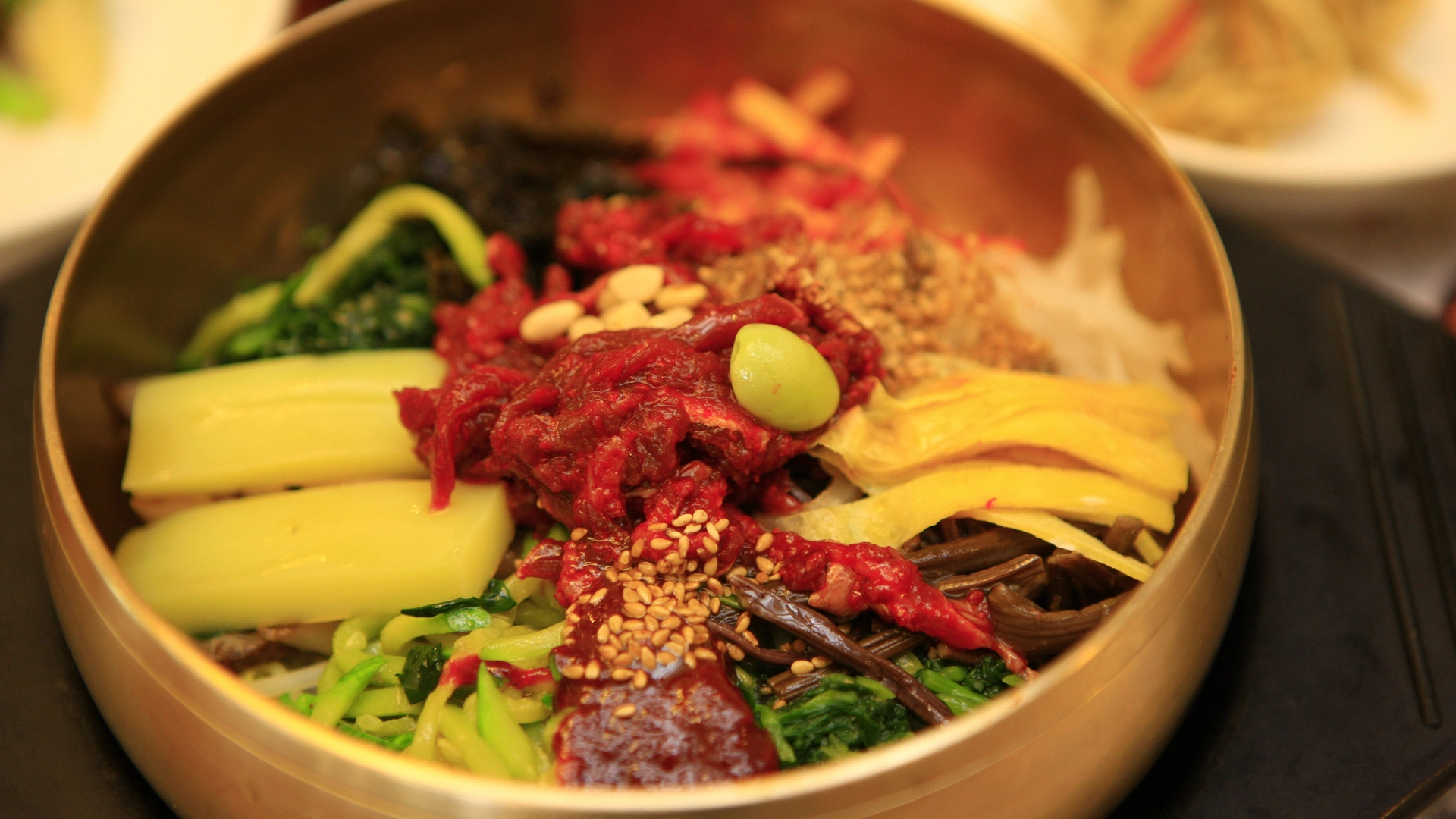
Rice topped with raw beef, vegetables, egg yolk and nuts in a brass bowl
FOOD · CRAFT · LOCAL KNOWLEDGE

K-Food Travel A-Z

Follow Korean food from ingredient to table.

Travellers trace how Korean food is sourced, fermented, prepared and shared, moving from Seoul's wholesale produce to Jeonju bibimbap, Sunchang jang, Hadong tea and Busan fish cake.

Seoul → Jeonju → Sunchang → Hadong → Jinju → Busan 7 days 6 nights K-Food & Culinary Culture GROUP & FIT

From Ingredient to Table

This route is built around process rather than a checklist of dishes. Seoul begins with sourcing: travellers explore seasonal produce at a wholesale market, then move into kimchi and hands-on cooking to see how ingredients are prepared and transformed. Jeonju brings those elements together in a regional meal, using bibimbap to explore balance, texture and the role of banchan at the table.

The journey then follows preservation and regional production south. In Sunchang, fermentation becomes tangible through jang. Hadong shifts the focus to tea, where cultivation, processing and serving introduce another part of Korean taste culture. Busan closes the route with fish cake, linking seafood, processing and an everyday food found across Korea.
Signature Moments

Start with the Ingredients

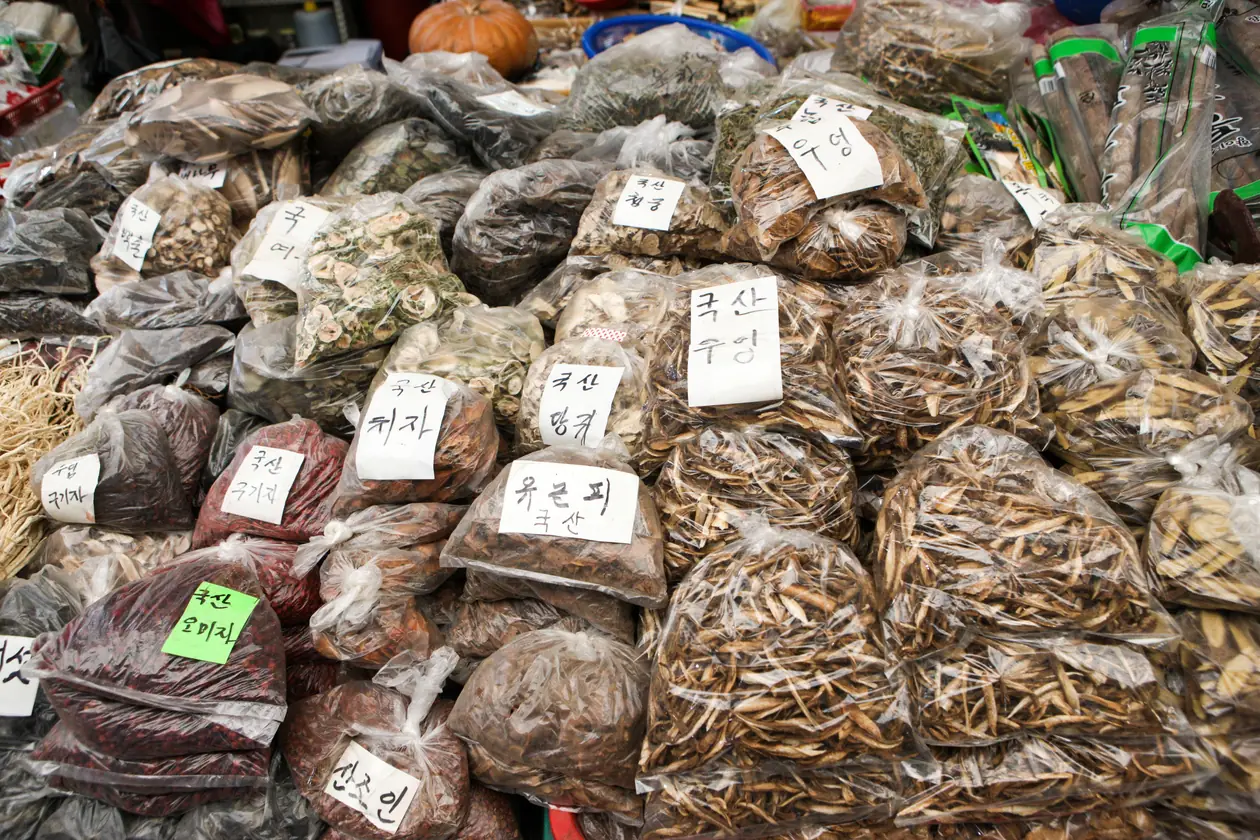
Before cooking, travellers learn to recognise what Korean kitchens start with: greens, roots, seafood, grains and fermented seasonings. Seeing ingredients at wholesale scale makes later dishes easier to understand and gives the week a practical food vocabulary.

Explore Jang Fermentation

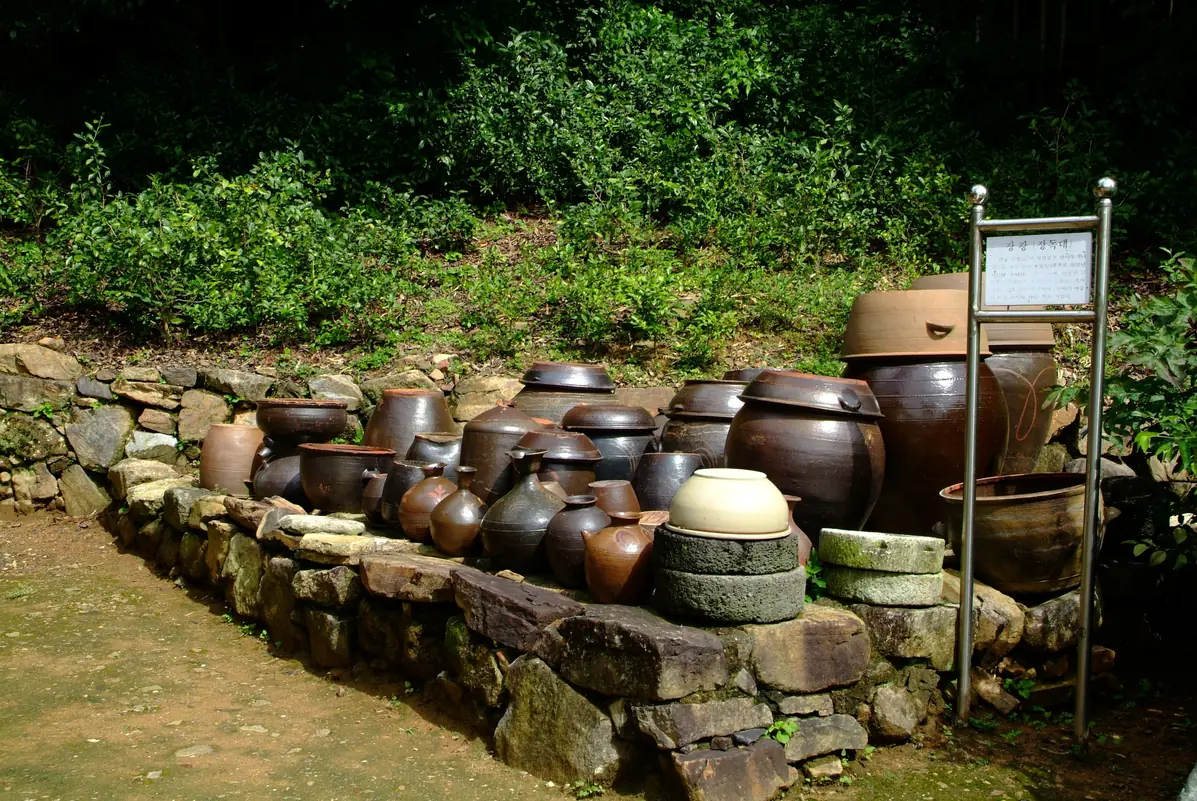
Jang shifts the story from quick cooking to fermentation over time. In Sunchang, travellers compare fermented pastes by aroma, colour and use, then connect doenjang and gochujang with sauces, soups and seasonings encountered throughout the journey.

Make a Busan Staple

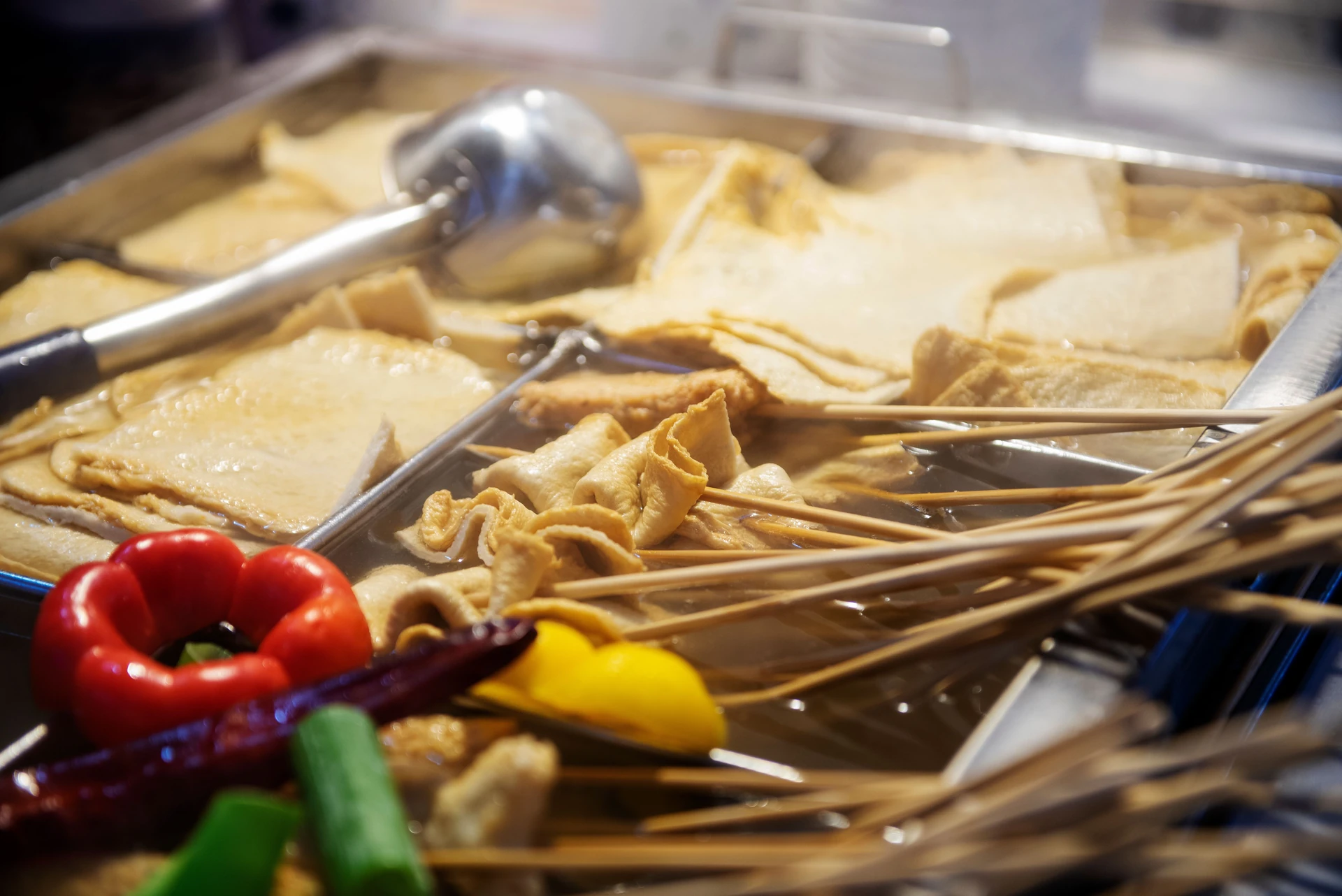
In Busan, the focus moves from raw seafood to processing. A fish-cake making experience shows how ground fish becomes eomuk, giving the final hands-on session a different texture and technique from the earlier kimchi, bibimbap and tea experiences.

More than thirty bags of dried roots and peel stacked with handwritten paper labels Rows of brown earthenware jars on bare ground in front of a stone wall Tongs and a ladle resting in a pan of fish cakes in broth beside a bundle of skewers

Experience Library

Wholesale Ingredient Walk
Half day · Seoul
Kimchi Culture Session
Half day · Seoul
Korean Cooking Workshop
Half day · Seoul
Jeonju Bibimbap Making
Half day · Jeonju
Jang Fermentation Workshop
Half day · Sunchang
Tea Culture Session
Half day · Hadong
Regional Market Walk
Half day · Hadong
Fish Cake Making
Half day · Busan

Route

DAY 1
Start with the Supply Chain
  • Seoul arrivalMeet the guide, transfer to the hotel and keep the first day light.
  • Food orientationIntroduce the week's ingredient-to-table theme over a relaxed Korean dinner.
Overnight: Seoul
DAY 2
From Ingredients to Technique
  • Garak Market briefingCompare seasonal ingredients and discuss how Korean kitchens buy, store and prepare them.
  • Kimchi culture sessionExplore fermentation, seasoning and kimjang before a guided hands-on preparation.
  • Korean cooking workshopPrepare home-style dishes, then eat them together at a shared table.
Overnight: Seoul
DAY 3
Build a Jeonju Bibimbap
  • Seoul → JeonjuTravel south, shifting from capital-city sourcing to a regional food identity.
  • Jeonju bibimbap workshopPrepare the components separately, then assemble rice, vegetables and gochujang.
  • Jeonju table dinnerCompare the finished bibimbap with the banchan served as part of a broader regional meal.
Overnight: Jeonju
DAY 4
Understand Jang
  • Jeonju → SunchangTravel into a region closely associated with fermented chilli and soybean pastes.
  • Sunchang fermentation experienceLearn how jang develops through ingredients, microbes, time and controlled storage.
  • Gochujang makingWork with the paste directly, then return to Jeonju after the session.
Overnight: Jeonju
DAY 5
Taste the Tea Landscape
  • Jeonju → HadongTravel south-east from fermented condiments towards one of Korea's long-established tea-growing regions.
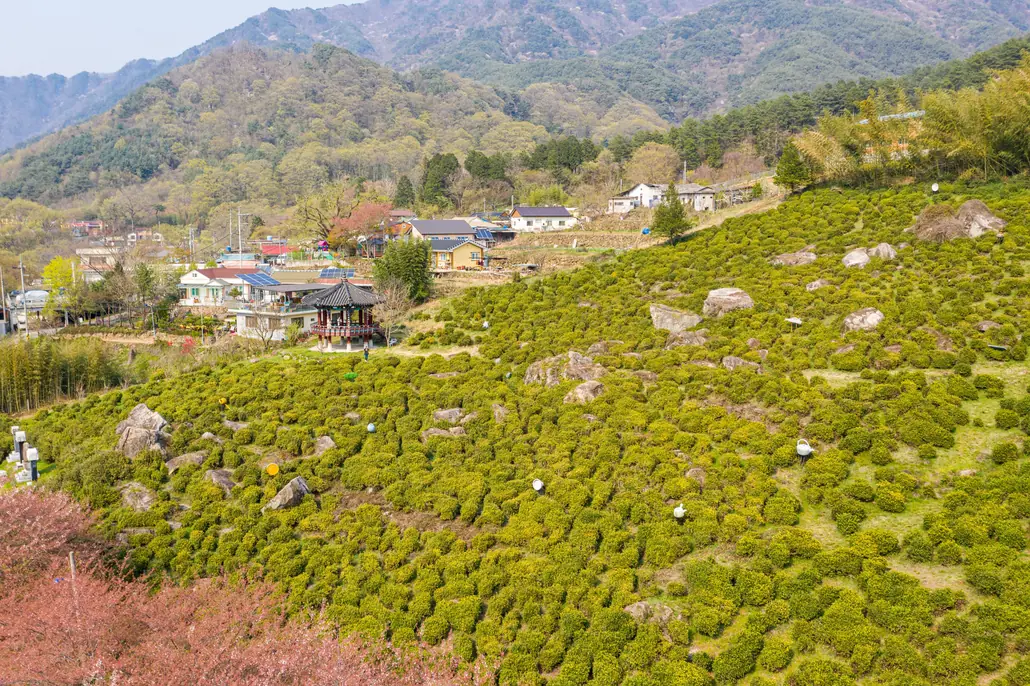
  • Hadong tea cultureCompare cultivation, processing and brewing through a guided cultural-centre session.
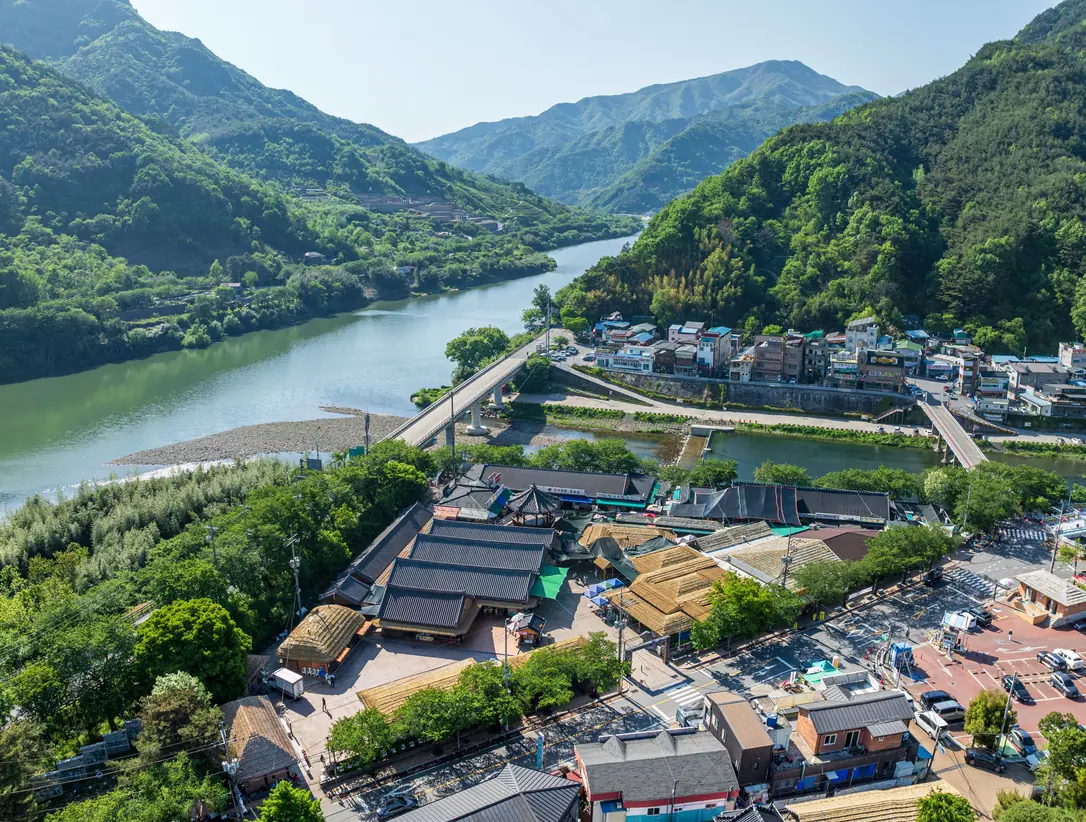
  • Hwagae MarketExplore regional products in a market setting before continuing by road to Jinju.
Overnight: Jinju
DAY 6
From Fish to Fish Cake
  • Jinju → BusanContinue to Busan for the route's final production story.
  • Samjin Fish Cake experienceSee how ground fish becomes eomuk, then make fish cake in a hands-on session.
  • Busan local dinnerCompare processed seafood with other coastal flavours over a shared dinner.
Overnight: Busan
DAY 7
Close at the Market
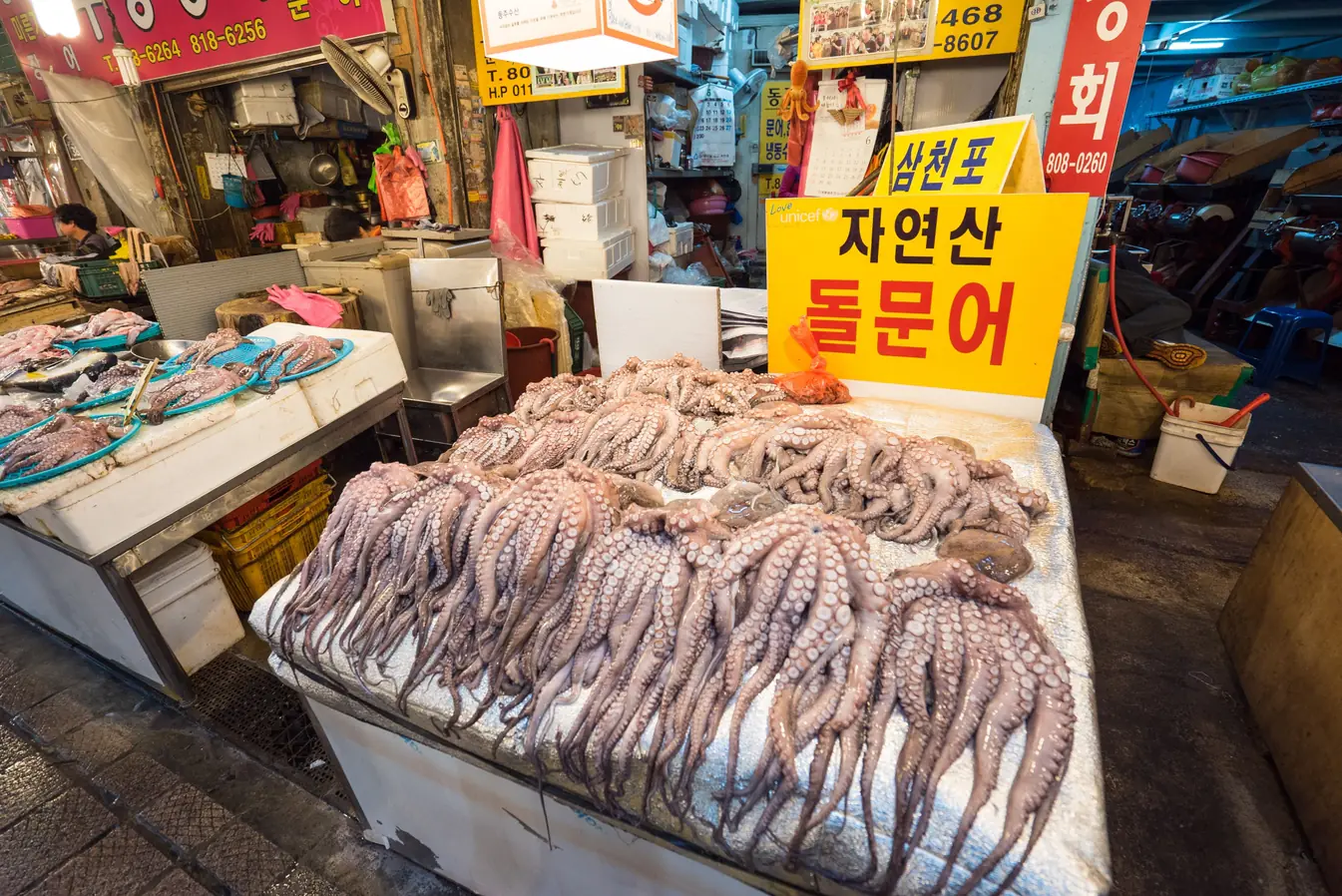
  • Bujeon MarketRevisit ingredients, prepared foods and local staples using the vocabulary developed during the week.
  • Food journey recapConnect sourcing, fermentation, cooking, tea and processing before the onward transfer.
  • DepartureTransfer to the agreed departure point or connect with a longer Korea programme.
Departure
Tea bushes covering a hillside with a person standing beside a pavilion River, sandbar and two bridges seen from above with market buildings along the bank More than twenty octopus laid out on a market counter under a red sign
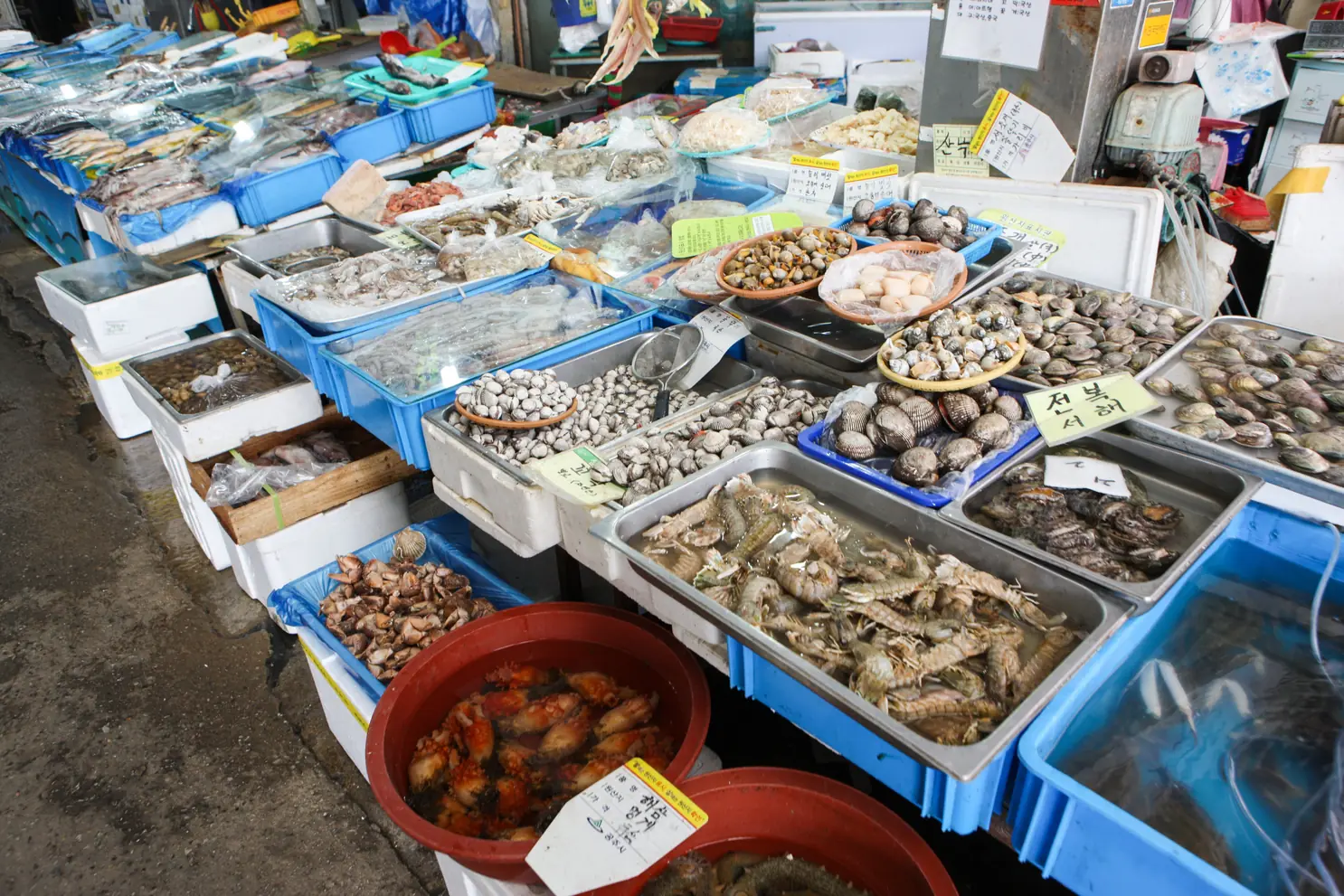
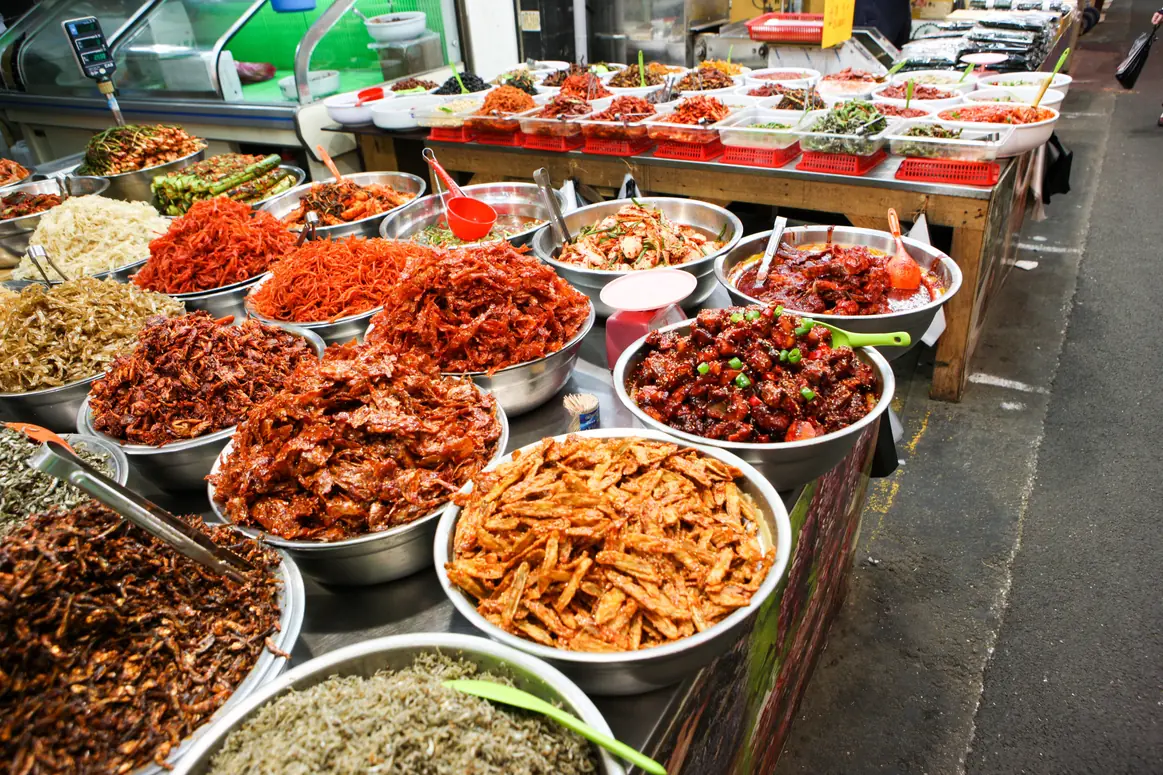
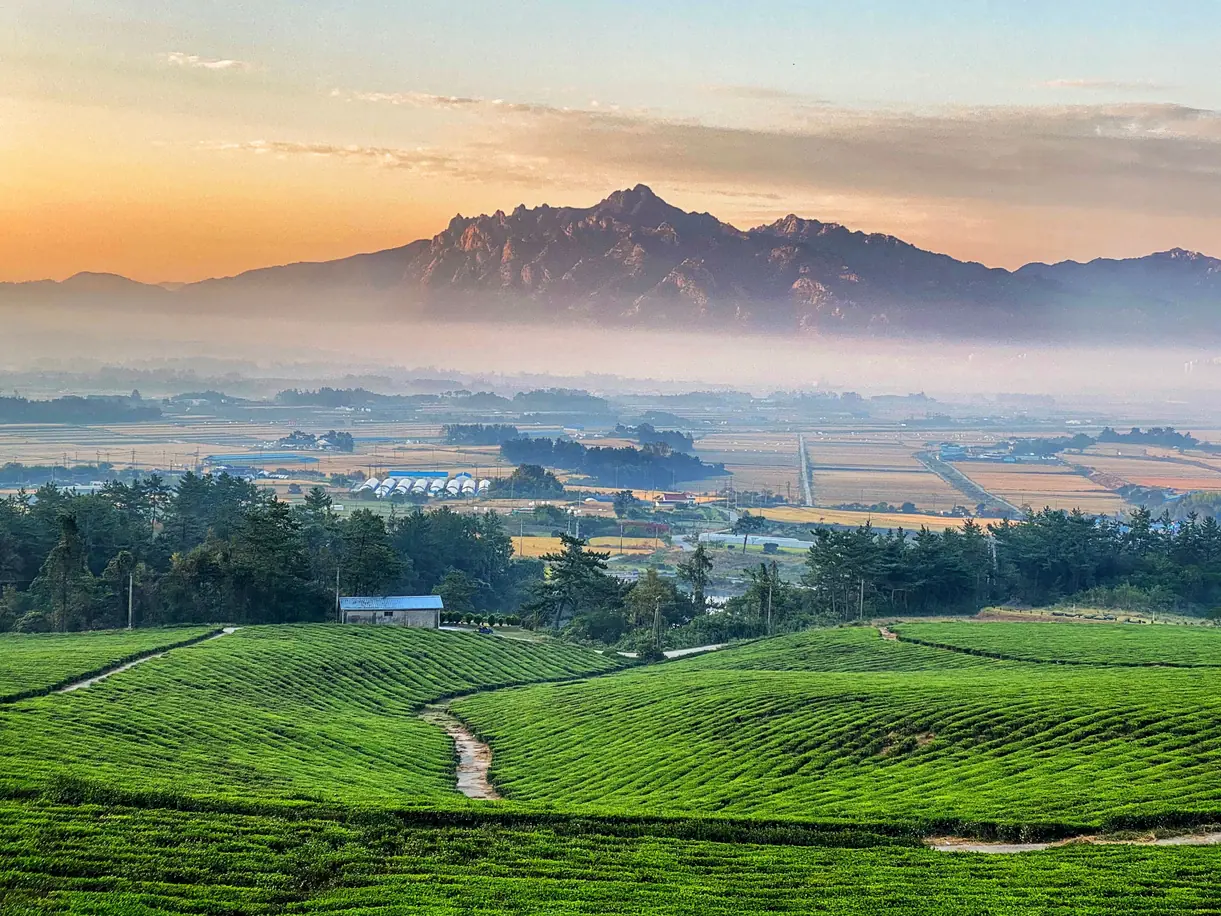
Twenty trays of shellfish, abalone and shrimp with handwritten paper labels Fifteen steel basins of prepared side dishes along a stall counter with tongs and a scale Rows of green tea bushes with misty fields and a ridge line behind

At a Glance

Duration
7 days 6 nights
Destination
Seoul · Jeonju · Sunchang · Hadong · Jinju · Busan
Best For
Culinary travellers · Repeat visitors · Special-interest groups
Travel Style
Food culture · Hands-on · Regional discovery
Best Season
Year-round
Activity Level
Easy–Moderate
Format
GROUP & FIT
Optional Add-ons
Temple Food · Traditional Liquor · Chef-led Dinner

Photos: Korea Tourism Organization · Busan Tourism Organization

Looking for an in-depth K-Food journey for your clients?

Adjust workshop depth, dietary handling, hotel level, group size and pace to suit your market and traveller profile. Tell us which parts of Korean food matter most to your programme, and we'll shape the seven-day journey around them.

DESIGN A PROGRAMME